
Tack vs. Peel vs. Shear: Understanding PSA Performance
2026-11-19
Tack vs. Peel vs. Shear: Understanding PSA Performance
When choosing a pressure-sensitive adhesive (PSA) tape, three terms appear repeatedly in technical data sheets: tack, peel adhesion and shear adhesion.They are often discussed together, but they do not measure the same thing. A tape may grab a surface immediately but struggle to hold a heavy component over time. Another may develop excellent peel adhesion after application but still creep when exposed to a continuous load. A third may have good holding power but require more pressure or contact time to establish an initial bond.Understanding these differences is essential when selecting adhesive tapes for automotive assembly, industrial mounting, glazing, electronics, signage and general manufacturing.So, what do tack, peel and shear actually tell you about a tape?
This guide explains each property, how the tests work, what influences the results and how to use the information when choosing a suitable PSA tape.
Key Takeaways
- Tack measures initial grab: It describes how quickly an adhesive forms a bond after brief contact and light pressure.
- Peel adhesion measures resistance to removal: It indicates the force needed to pull a bonded tape away from a surface under specified test conditions.
- Shear adhesion measures resistance to sliding: It evaluates how well a tape withstands a sustained force acting parallel to the bonded surface.
- High tack does not guarantee high peel or shear: These properties are related but measure different aspects of adhesive behavior.
- Test conditions matter: Substrate, pressure, dwell time, temperature, peel angle and loading conditions can all affect the results.
- The best tape depends on the application: A suitable adhesive must balance initial bonding, final adhesion, holding power and environmental requirements.
1. What Is a Pressure-Sensitive Adhesive (PSA)?
A pressure-sensitive adhesive is designed to form a bond when pressure brings the adhesive into contact with a surface. Unlike many structural adhesives, it does not normally require a chemical curing reaction, added water or heat activation to create its initial bond.
PSA technology is used in a wide range of products, including:
• Double-sided adhesive tapes
• Acrylic foam mounting tapes
• PE and PVC foam tapes
• Packaging tapes
• Protective films
• Labels and stickers
• Automotive bonding materials
• Industrial assembly tapes
A PSA must do more than simply feel sticky. It needs to wet the substrate, establish sufficient contact and maintain the bond under the conditions it will experience.
This creates a balance between several adhesive properties.
The three most frequently discussed are tack, peel and shear.
2. What Is Tack in Pressure-Sensitive Adhesives?
Tack refers to an adhesive's ability to form an immediate bond after brief contact with another surface.In simple terms, it answers this question:
How quickly does the adhesive grab when the tape first touches the surface?
Tack is especially important in applications where operators need to position and attach materials quickly.
Examples include:
• Manual assembly lines
• High-speed laminating
• Automotive trim installation
• Packaging and labeling
• Temporary positioning during production
• Bonding operations with short contact times
An adhesive with good initial tack can help a component stay in position immediately after application, reducing the risk of movement before the bond develops further.However, tack is not the same as final bonding strength.A tape that feels very sticky when touched may not necessarily provide the best long-term holding performance.
2.1 How Is Tack Measured?
Tack can be evaluated using different methods. The selected method depends on the adhesive construction and the intended comparison.
Common approaches include:
Loop tack test
A strip of adhesive tape is formed into a loop, with the adhesive side facing outward. The loop is brought into contact with a test surface and then separated. The force required to detach it provides a measure of loop tack.
ASTM D6195 covers loop tack testing and provides quantitative measurements for comparing PSA tack properties.
Rolling ball tack test
A steel ball rolls down an inclined track and contacts the adhesive surface. The distance it travels or the stopping behavior provides a comparative indication of tack.
ASTM D3121 is a rolling-ball method. It is particularly appropriate for low-tack adhesives and is not recommended as a direct specification method for finished end-use products.
Probe tack test
A probe contacts the adhesive under controlled conditions and is then separated. The force required to detach the probe is used to quantify tack.
Different methods can produce different results. Therefore, tack values should only be compared when the test method and conditions are clearly identified.
2.2 What Affects Tack?
Several factors influence initial adhesion:
• Adhesive formulation: Different rubber, acrylic and silicone formulations have different wetting and contact characteristics.
• Surface energy: Some substrates are easier for an adhesive to wet than others.
• Surface roughness: Uneven surfaces can reduce the effective contact area.
• Application pressure: Greater or more uniform pressure may improve contact.
• Temperature: Adhesive behavior changes with temperature.
• Contact time: The initial bond and the bond developed after a longer dwell period may differ.
• Contamination: Dust, oil and moisture can interfere with adhesive contact.
One important point: high tack is not automatically better.For example, an adhesive with aggressive initial tack may be difficult to reposition during precise component installation. In contrast, a lower-tack formulation may provide more working time before final bonding.The right level depends on the assembly process.
3. What Is Peel Adhesion?
Peel adhesion measures the force required to remove an adhesive tape from a bonded surface by pulling it away at a specified angle and speed.It answers a different question:
How much force is needed to peel the tape away after it has been applied?
Peel adhesion is important for applications where the bonded component may experience an edge-lifting or pulling force.
Examples include:
• Automotive trim attachment
• Mounting decorative panels
• Bonding nameplates and signs
• Attaching foam components
• Fixing protective materials
• Bonding double-sided tape to metal or plastic surfaces
A good peel result indicates resistance to removal under the specific conditions of the test. It does not automatically predict how the tape will behave under every type of load.
3.1 How Is Peel Adhesion Measured?
Peel adhesion is commonly measured using a tensile testing machine.A tape specimen is applied to a defined substrate, pressed under controlled conditions and then pulled away at a specified angle and speed.The measured force is typically reported as force per unit width, such as N/25 mm or N/in.
Two commonly used configurations are:
180-degree peel test
The free end of the tape is folded back and pulled parallel to the bonded surface in the opposite direction.
90-degree peel test
The tape is pulled away from the surface at a right angle.
The test configuration can influence the measured result, so values from different methods should not be treated as directly interchangeable.ASTM D3330/D3330M covers several peel adhesion test methods for pressure-sensitive tapes, including single-coated tapes, double-coated tapes, transfer tapes and release-liner adhesion.
3.2 What Affects Peel Adhesion?
Peel adhesion is influenced by the complete tape construction and the conditions under which it is tested. Important factors include:
Substrate material
A tape bonded to stainless steel may produce a different result from the same tape bonded to ABS plastic, painted metal or glass.Surface energy, texture, coating and chemical composition all influence adhesive contact.
Adhesive chemistry
Acrylic, rubber-based and silicone adhesives have different performance characteristics. Even within the same adhesive family, formulations can vary considerably.
Application pressure
Insufficient pressure may prevent the adhesive from making adequate contact with the surface.
Dwell time
Some pressure-sensitive adhesives develop stronger adhesion over time as the adhesive wets out the substrate more completely.
Temperature
Both the adhesive and substrate can behave differently at elevated or low temperatures.
Peel angle and speed
The force measured during a peel test depends partly on the test configuration and removal speed.
3.3 Why Higher Peel Adhesion Does Not Always Mean a Better Tape
A high peel value may be desirable when a permanent bond is required. But it may not be the best choice when a component needs to be removed during maintenance or when the substrate is sensitive to surface damage.There is also an important distinction between adhesive failure and cohesive failure.
-
Adhesive failure: The adhesive separates from the substrate.
-
Cohesive failure: The adhesive splits within its own layer, leaving adhesive residue on both surfaces.
-
Substrate failure: The bonded material itself tears or breaks before the adhesive interface separates.
These failure modes provide useful information during product evaluation.
For example, if a foam component tears while the adhesive remains attached to both surfaces, the limiting factor may be the foam's internal strength rather than the adhesive-to-substrate bond.A peel number alone does not explain the complete failure mechanism.
4. What Is Shear Adhesion?
Shear adhesion measures a tape's ability to resist movement when a force acts parallel to the bonded surface. It answers this question:
How well can the tape hold a component in place without sliding or creeping under a sustained load?
Imagine attaching a component to a vertical metal panel. Gravity continuously pulls the component downward. The adhesive must resist that force over time.This is a typical shear-loading situation.
Shear performance matters in applications such as:
• Vertical mounting
• Automotive component attachment
• Industrial equipment assembly
• Foam gasket attachment
• Panel bonding
• Long-term mounting applications
• Components exposed to continuous loading
A tape can have strong initial tack and good peel adhesion but still perform poorly under a sustained shear load. This is why shear resistance deserves separate attention.
4.1 How Is Shear Adhesion Tested?
A typical shear adhesion test involves bonding a defined area of tape to a test panel, attaching a specified load and measuring how long the tape remains attached. Depending on the method, the test may be performed vertically or under other specified configurations.
Results are often expressed as:
• Holding time before failure
• Time until a defined amount of movement occurs
• Displacement under a specified load
ASTM D3654/D3654M describes methods for determining the ability of pressure-sensitive tapes to remain adhered under a constant load applied parallel to the bonded surfaces.
The standard includes different procedures for different tape and substrate configurations.
4.2 What Affects Shear Performance?
Shear resistance depends heavily on the adhesive's ability to resist deformation over time. The following factors are particularly important:
Adhesive cohesive strength
The adhesive layer must resist internal deformation and flow under sustained stress.
Temperature
Higher temperatures can soften certain adhesive formulations and increase the risk of creep.
Load and bonded area
A greater load or smaller bonding area generally creates a more demanding condition.
Adhesive thickness
The thickness of the adhesive layer can influence deformation behavior. However, thicker adhesive does not automatically provide better shear resistance.
Dwell time
The time allowed for the bond to develop before loading can affect the result.
Substrate and surface condition
Poor contact or contamination can cause premature failure even when the adhesive has good internal strength.
4.3 What Is Adhesive Creep?
Creep is the gradual deformation or movement of an adhesive under a sustained load. It may happen slowly, even when the tape initially appears to be securely bonded.
For example, a component mounted vertically may remain in place immediately after installation but gradually move downward over several hours or days.This is particularly important for permanent mounting applications.When evaluating shear performance, do not look only at whether the tape initially holds the load. Consider how long it maintains its position and whether the operating temperature changes the result.
5. Tack vs. Peel vs. Shear: What Is the Difference?
The easiest way to understand these three properties is to consider when and how the adhesive is being tested.
| Performance property | What it measures | Typical test approach | Main question answered | Important applications |
| Tack | Immediate bonding ability | Loop tack, rolling ball or probe tack | How quickly does it grab? | Fast assembly, positioning, laminating |
| Peel adhesion | Resistance to removal from a surface | 90° or 180° peel test | How much force is needed to peel it away? | Mounting, trim bonding, panel attachment |
| Shear adhesion | Resistance to movement under parallel loading | Constant-load holding test | How long can it resist sliding? | Vertical mounting, component holding, sustained loads |
A Simple Way to Remember
Tack = Initial grab
Peel = Resistance to pulling away
Shear = Resistance to sliding
These measurements provide different information. None should be used alone to predict the complete performance of a pressure-sensitive adhesive tape.
6. Why Tack, Peel and Shear Need to Be Balanced
The best PSA tape is not necessarily the one with the highest value in every test. Instead, the adhesive should provide the right combination of properties for the intended application. Consider three examples.
Example 1: High-Speed Assembly
A production line attaches lightweight components to panels. Operators need the tape to grab quickly so that the parts do not move during assembly. In this situation, initial tack is important.
However, the finished component must also remain securely attached. Peel and shear performance still need to meet the product requirements.
Example 2: Vertical Component Mounting
A foam component is attached to a vertical metal surface and remains under continuous gravitational load. Initial tack helps hold the component during installation, while peel adhesion helps resist edge lifting.
But long-term shear resistance is particularly important because the load acts parallel to the bonded surface. A tape with impressive initial tack but poor resistance to creep may not be suitable.
Example 3: Automotive Exterior Trim
An automotive trim component may experience temperature changes, vibration, moisture and repeated mechanical stress. The adhesive needs to develop adequate bonding after installation and maintain its performance throughout the intended service environment.
In this case, the selection process should consider all three properties, along with temperature resistance, substrate compatibility and aging behavior. The lesson is simple: identify the dominant failure risk before choosing the tape.
7. How Different Adhesive Types Affect PSA Performance
Tack, peel and shear are influenced by adhesive chemistry. However, it is important not to assume that every adhesive within a particular category behaves the same way.
Formulation, coating weight, adhesive thickness, backing material and test conditions all matter.
7.1 Acrylic Adhesives
Acrylic pressure-sensitive adhesives are widely used in industrial and automotive bonding. Depending on the formulation, they can offer:
• Good adhesion to a range of substrates
• Options for different temperature requirements
• Long-term bonding performance
• Resistance to aging and environmental exposure
• Formulations designed for foam tape applications
Acrylic foam tapes are especially useful when the application requires a conformable bonding layer between two components.
The adhesive formulation must still be matched to the actual substrate and service conditions.
7.2 Rubber-Based Adhesives
Rubber-based adhesives are commonly selected for applications where aggressive initial tack and fast bonding are priorities. Depending on the formulation, they may provide:
• High initial tack
• Fast adhesion development
• Good performance on selected surfaces
• Useful bonding characteristics for general-purpose applications
However, temperature resistance and long-term holding behavior vary by formulation. A high initial tack value should not be treated as proof of high-temperature or long-term performance.
7.3 Silicone Adhesives
Silicone pressure-sensitive adhesives are used in applications requiring specialized temperature performance or adhesion to selected difficult surfaces.They can be suitable for certain high-temperature and specialty bonding requirements.However, silicone adhesives are not automatically the best choice for every application. Compatibility, cost, substrate characteristics and required holding performance must all be considered.
Comparison of Adhesive Families
| Adhesive family | General performance characteristics | Potential applications | What to verify |
| Acrylic | Formulations available for varied adhesion and environmental requirements | Automotive bonding, foam mounting, industrial assembly | Peel, shear, temperature and aging |
| Rubber-based | Often offers aggressive initial tack and quick bonding | General mounting, packaging and selected industrial uses | Temperature resistance and long-term creep |
| Silicone | Used for specialized temperature and substrate requirements | Selected high-temperature and specialty applications | Substrate compatibility and holding performance |
These are broad formulation tendencies, not universal performance rankings. Always evaluate the actual product grade.
8. How Foam Tape Construction Influences Tack, Peel and Shear
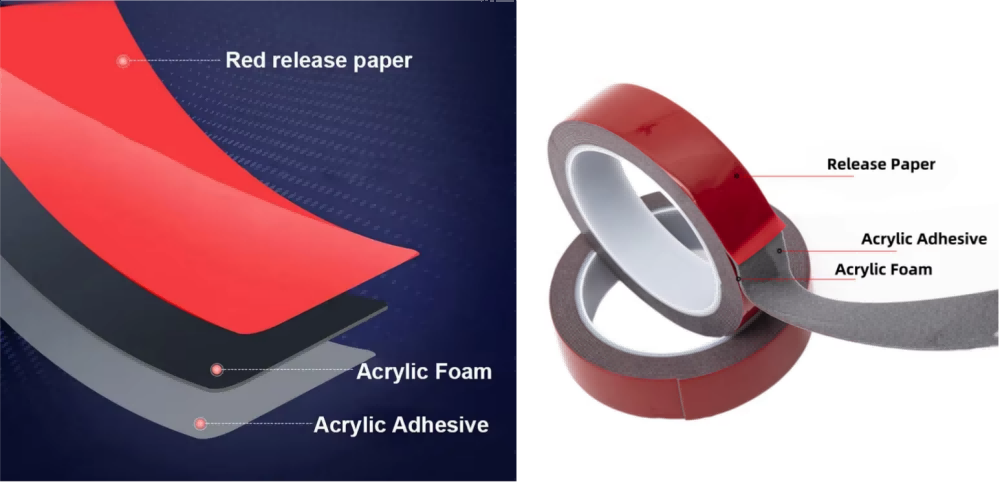
When evaluating foam tape, it is important to remember that the adhesive is only one part of the construction. A typical double-sided foam tape contains:
-
A foam carrier
-
Adhesive coatings on both sides
-
A release liner protecting the adhesive before use
Each part influences the finished product.
8.1 Foam Carrier
The foam carrier provides thickness, flexibility and conformability. Common foam materials include:
• Acrylic foam
• Polyethylene (PE) foam
• Polyvinyl chloride (PVC) foam
• Ethylene-vinyl acetate (EVA) foam
These materials have different mechanical properties.
Acrylic foam tapes are commonly used for demanding mounting and bonding applications where the foam layer helps accommodate movement between components.
PE foam tapes are often used for cushioning, mounting, sealing and general assembly.
PVC foam tapes can be used in glazing, sealing and cushioning applications, depending on the density and formulation.
The foam carrier can also influence how the finished tape behaves during peel and shear testing. A failure within the foam itself is different from failure at the adhesive-substrate interface.
8.2 Adhesive Coating
The adhesive creates contact with the two substrates. Its formulation and coating thickness influence initial tack, peel behavior and long-term holding performance.
Both sides of a double-sided tape may have the same adhesive or different adhesive constructions, depending on the application.
8.3 Release Liner
The release liner protects the adhesive before installation.Common options include paper liners and film liners, with different release coatings and colors.
Although the liner is removed before the tape is used, its release characteristics can affect production efficiency.
For automated assembly, the liner should release consistently without damaging the adhesive layer or causing handling difficulties.
9. Choosing the Right Tape for Your Application
Understanding tack, peel and shear is useful only when the test results are connected to the actual application. Here are some practical considerations for different types of foam tape.
9.1 Acrylic Foam Tape for Automotive Trim
Automotive trim bonding often requires a combination of initial positioning, reliable adhesion and resistance to movement during service.The assembly may also experience vibration, temperature changes and different expansion rates between the bonded materials. A suitable acrylic foam tape should be evaluated for:
• Adhesion to the actual trim and panel materials
• Initial tack during installation
• Peel resistance after the required dwell time
• Shear holding performance
• Temperature exposure
• Long-term environmental conditions
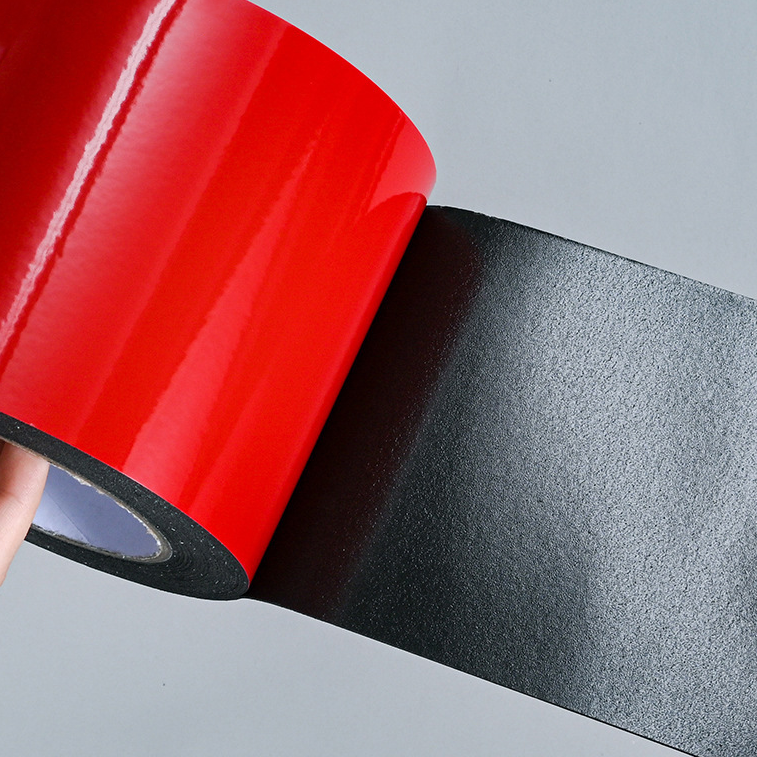
For applications requiring a gray foam carrier, consider GMARK's gray 0.8mm acrylic foam tape with red PE liner.
The 0.8 mm construction and red PE release liner may be relevant to automotive trim projects where the specified dimensions and liner format match the assembly requirements.
9.2 Heavy-Duty Acrylic Foam Mounting
For mounting applications involving larger components or demanding bonding conditions, the complete tape construction needs careful evaluation.The important questions are:
• What is the component weight?
• How large is the bonding area?
• Is the load mainly peel, shear or a combination?
• Are the surfaces smooth or textured?
• Will the assembly experience temperature changes?
• How long must the bond remain secure?
A heavy-duty designation alone does not define a specific load capacity. Actual test results and application conditions are needed.
For projects requiring a stronger mounting construction, evaluate GMARK's heavy duty acrylic foam mounting tape against the required substrates and loading conditions.
9.3 PE Foam Tape for Automotive Trim and Signage
PE foam tape is widely used for mounting, cushioning and general bonding. For automotive trim and signage, the foam layer can help accommodate small surface variations while providing a flexible interface between components. When selecting this type of tape, consider:
• Adhesion to the actual substrate
• Foam thickness and density
• Initial tack requirements
• Peel resistance
• Long-term shear performance
• Outdoor or indoor exposure
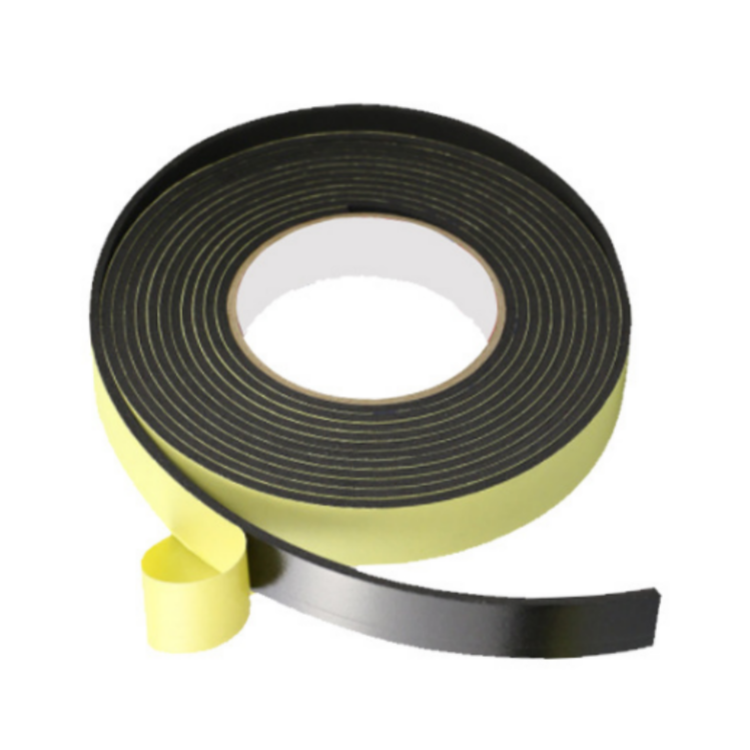
GMARK's 1mm black PE foam mounting tape is an option to evaluate for applications requiring a black PE foam carrier and a 1 mm nominal thickness.
9.4 PVC Foam Tape for Glazing Applications
Glazing applications require more than a simple high-tack adhesive.The tape may need to maintain contact between different materials while accommodating dimensional variation and environmental exposure.Relevant factors include:
• Foam density and compression behavior
• Adhesion to glass, metal or frame materials
• Bond-line thickness
• Water and weather exposure
• Long-term stability
• Installation pressure and joint design
A high-density PVC foam construction may be appropriate for selected glazing applications, but the final choice depends on the glazing system and its technical requirements.
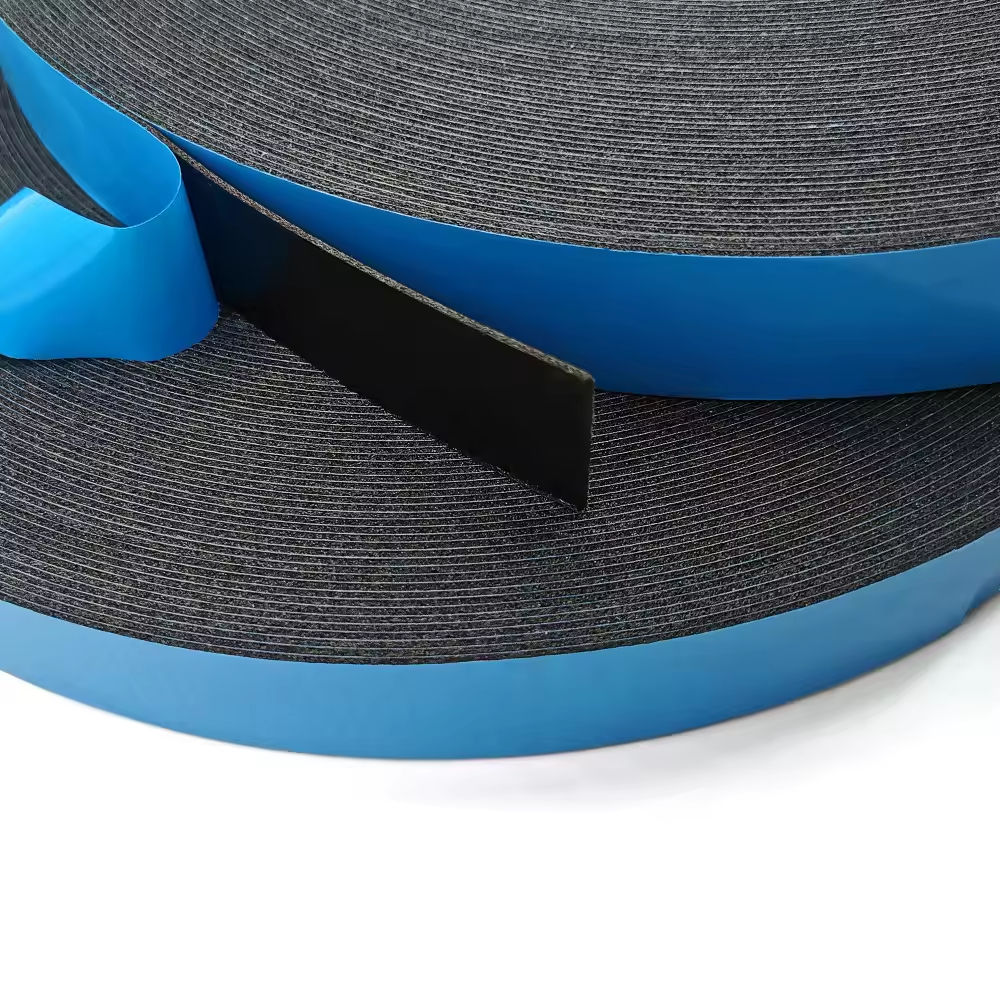
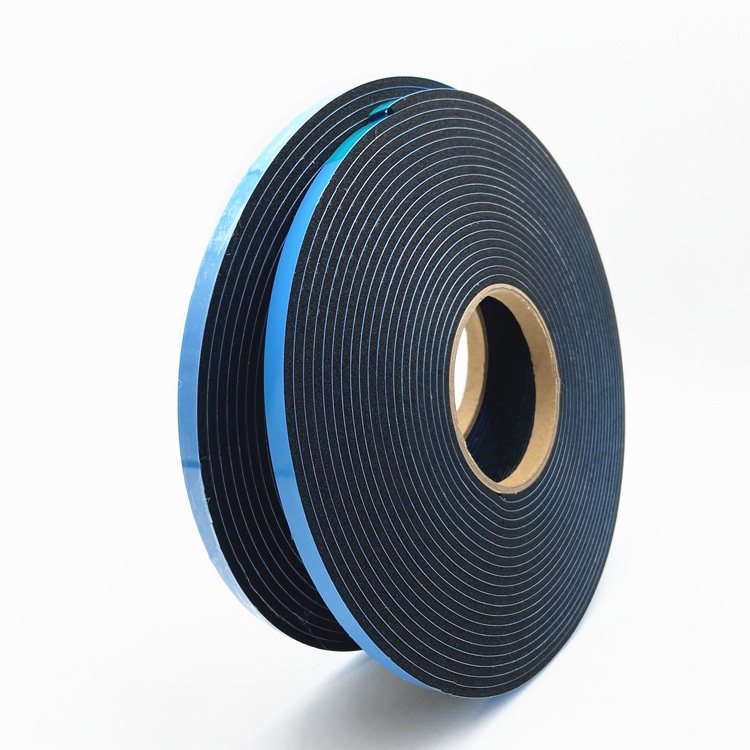
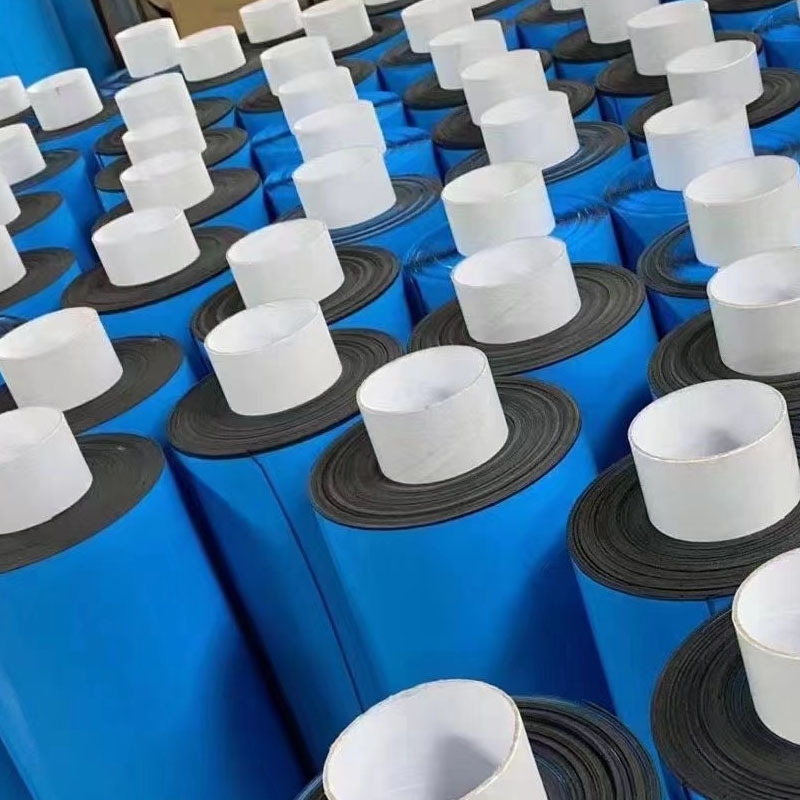
Review GMARK's high-density black PVC glazing tape for projects where a black PVC foam carrier and blue release film are required.
10. How to Read Tack, Peel and Shear Values on a Technical Data Sheet
A technical data sheet may contain several adhesion values, but a number is only useful when you understand how it was obtained. Before comparing two tapes, check the following information.
| TDS item | What to look for | Why it matters |
| Tack | Test method and measured value | Identifies the initial bonding behavior under defined conditions |
| Peel adhesion | Peel angle, speed, substrate and dwell time | Determines how the tape resists removal in the stated test |
| Shear adhesion | Load, bonded area, temperature and test orientation | Shows resistance to sustained parallel loading |
| Adhesive type | Acrylic, rubber-based, silicone or other formulation | Helps assess suitability for the application |
| Foam carrier | Material, thickness and density | Influences conformability and mechanical behavior |
| Temperature range | Test conditions and stated limits | Helps evaluate environmental suitability |
| Substrate | Steel, plastic, glass or actual application material | Results can change significantly between surfaces |
Why You Should Not Compare Numbers Without Test Conditions
Consider two suppliers who both report peel adhesion in N/25 mm.
At first glance, the results may appear directly comparable. But one supplier may have tested on stainless steel after a short dwell time, while the other used a different substrate and longer dwell period.The figures do not represent the same test conditions.ASTM D3330/D3330M specifically notes that peel test methods have limitations when comparing different tape constructions. Differences in backing stiffness and adhesive behavior can affect the measured force.The same principle applies to tack and shear.
Always request the test method and conditions before using a reported value to make a purchasing decision.
11. Common PSA Performance Problems and How to Diagnose Them
When a tape fails during application or service, it is tempting to blame the adhesive immediately.But the actual cause may be related to the substrate, assembly process, tape construction or loading conditions.The following table provides a practical starting point for troubleshooting.
| Observed problem | Possible cause | What to investigate |
| Tape does not grab immediately | Low initial tack, cold application or poor surface contact | Adhesive formulation, temperature and application pressure |
| Tape peels away from the substrate | Poor surface compatibility, contamination or insufficient wet-out | Surface energy, cleaning and dwell time |
| Component slides down over time | Insufficient shear resistance or adhesive creep | Sustained load, temperature and bonded area |
| Adhesive remains on both surfaces | Cohesive failure within the adhesive layer | Adhesive formulation and service conditions |
| Foam splits during removal | Foam carrier failure rather than interface failure | Foam strength and construction |
| Bonding varies between batches | Changes in coating, substrate or application conditions | Incoming material and process consistency |
| Tape lifts at the edges | Localized peel stress, poor contact or component movement | Edge design, pressure and substrate flatness |
A Practical Troubleshooting Sequence
When a bonding problem occurs, work through the following steps:
-
Identify the failure location. Determine whether separation occurred at the adhesive-substrate interface, within the adhesive or inside the foam carrier.
-
Check the substrate. Look for dust, oil, moisture, coatings or surface irregularities.
-
Review the application process. Confirm pressure, temperature, contact time and alignment.
-
Check the loading direction. Determine whether the tape is experiencing peel, shear or a combination.
-
Review the test conditions. Compare the actual application with the conditions used to qualify the tape.
-
Repeat the test using representative materials. A standard steel test panel may not reproduce the behavior of the actual plastic, painted metal or foam component.
This approach helps distinguish an adhesive problem from an assembly or design problem.
12. How to Build a Reliable PSA Testing Plan
For industrial applications, testing should be planned around the expected failure risks.A single peel result is rarely enough to qualify a tape for every application.A useful evaluation plan includes the following stages.
Stage 1: Initial Adhesion Evaluation
Assess whether the tape establishes adequate contact during application.
Check:
• Initial tack
• Ease of positioning
• Surface wet-out
• Immediate component stability
If production speed is important, also evaluate the tape under realistic assembly timing.
Stage 2: Peel Adhesion Evaluation
Test the tape on the actual substrates.Record:
• Substrate material
• Cleaning procedure
• Application pressure
• Dwell time
• Peel angle
• Peel speed
• Test temperature
• Failure mode
Where relevant, compare the results before and after environmental conditioning.
Stage 3: Shear Holding Evaluation
Apply the tape to the intended substrate and use a representative load.Record:
• Load applied
• Bonded area
• Test orientation
• Temperature
• Time to failure
• Amount of movement or creep
The test should reflect the actual service condition as closely as practical.
Stage 4: Environmental Evaluation
For demanding applications, consider testing after exposure to:
• Elevated temperature
• Low temperature
• Humidity
• Water or moisture
• UV exposure
• Vibration
• Repeated mechanical stress
Not every application needs every test. Select the conditions that represent the real operating environment.
Stage 5: Production Validation
Finally, test the tape using the intended production process.A tape may perform well in a controlled laboratory test but behave differently when applied by hand or through automated equipment.
Confirm that the product can be handled, positioned and bonded consistently at the required production speed.
13. Frequently Asked Questions About Tack, Peel and Shear
Q1. Is tack the same as peel adhesion?
No. Tack measures how quickly an adhesive forms a bond after brief contact. Peel adhesion measures the force required to remove the tape from a surface under defined test conditions.
A tape can have high initial tack without necessarily having high peel adhesion.
Q2. Does higher tack mean stronger adhesive tape?
Not necessarily.
Higher tack means the adhesive can establish an initial bond quickly under the test conditions. It does not automatically indicate better long-term adhesion, holding power or temperature resistance.
Q3. What is the difference between peel and shear adhesion?
Peel adhesion measures resistance to a force that pulls the tape away from a surface.
Shear adhesion measures resistance to a force acting parallel to the bonded surface.
Peel is associated with separation from an edge or surface, while shear is associated with sliding or movement along the surface.
Q4. Which is more important: tack, peel or shear?
There is no universal answer.
-
Tack matters when immediate bonding and fast positioning are required.
-
Peel matters when the bond must resist pulling away from the surface.
-
Shear matters when the tape must hold a load without sliding over time.
The dominant requirement depends on the application.
Q5. Can a tape have high peel adhesion but low shear resistance?
Yes.
Peel and shear measure different failure behaviors. A tape may resist removal under a short-duration peel test but still deform or creep under a sustained parallel load.
This is why both properties should be evaluated when the application requires long-term mounting.
Q6. What does high shear adhesion mean?
High shear adhesion indicates that the tape can resist movement under the specified parallel load for a longer period or with less displacement, depending on the test method.
However, the result must be interpreted together with the load, temperature, bonded area and test duration.
Q7. Which ASTM standards are commonly used for PSA performance testing?
Three relevant standards are:
• ASTM D6195 for loop tack measurement.
• ASTM D3330/D3330M for peel adhesion testing.
• ASTM D3654/D3654M for shear adhesion testing.
Each measures a different property. They should not be treated as interchangeable.
Q8. Why does the same tape perform differently on different materials?
Different substrates have different surface energies, textures, coatings and chemical compositions.
A tape that bonds well to stainless steel may not achieve the same performance on polypropylene, ABS, painted metal or glass.
For this reason, testing on the actual application substrate is strongly recommended.
Q9. How long should I wait before testing peel adhesion?
The appropriate dwell time depends on the product specification and intended application.
Some tests use defined short dwell periods, while application qualification may require longer conditioning. Always report the dwell time with the measured result so that comparisons are meaningful.
Q10. Can I choose a tape based only on its TDS?
A technical data sheet is an important starting point, but it should not be the only selection criterion.
The best approach is to review the TDS, confirm the test methods and evaluate samples on the actual materials under realistic conditions.
Conclusion: The Best PSA Tape Is the One That Matches the Application
Tack, peel and shear describe three different aspects of pressure-sensitive adhesive performance. Tack tells you how quickly the adhesive grabs. Peel adhesion tells you how much force is required to remove the tape from a surface. Shear adhesion tells you how well it resists sliding under a sustained load. A tape that performs well in one test may not necessarily perform equally well in the others.
For reliable product selection, start by identifying the expected loading conditions, substrates, installation process and service environment. Then compare the relevant test results using consistent methods and validate the tape in the actual assembly.Whether you are selecting acrylic foam tape for automotive trim, PE foam tape for mounting or PVC foam tape for glazing, the right construction depends on the complete application—not just one impressive number on a technical data sheet.
Need help selecting an adhesive tape for your application? GMARK can discuss foam material, thickness, adhesive construction, liner options and custom dimensions based on your project requirements. Share your substrate materials, application details and expected performance, and we can help identify suitable tape options for evaluation.
For more information, please feel free to contact us:
Email:
Phone: +86 18237680349
WeChat WhatsApp


RELATED NEWS
-
Choosing the Right Thickness: How PE Foam Tape Thickness Affects Performance
PE foam tape thickness affects more than the size of a bond line. Explore how thickness, foam density, adhesive type and surface conditions influence performance, with practical guidance for selecting the right tape.
-

Double Sided Tape Die Cutting: Common Problems & Solutions
Die cutting double-sided tape requires the right tooling, pressure, material handling, and liner control. Learn how to identify common defects and improve converting quality.
-
Choose from different foam tape prices and applications
Foam tape prices vary with material, thickness, adhesive, dimensions, and order quantity. Compare common foam types and learn how to select a cost-effective solution.
-
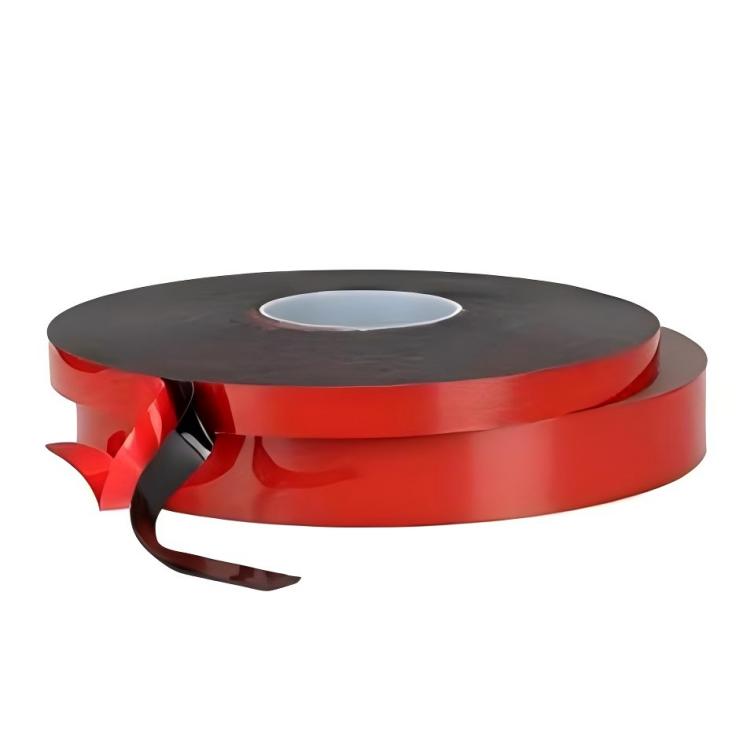
Automotive Foam Tape Applications: Reliable Bonding Solutions for Vehicle Interior and Exterior Assembly
Choosing automotive foam tape involves more than adhesive strength. Explore substrate compatibility, thickness selection, bond failure prevention, and practical guidelines for reliable vehicle assembly.
-
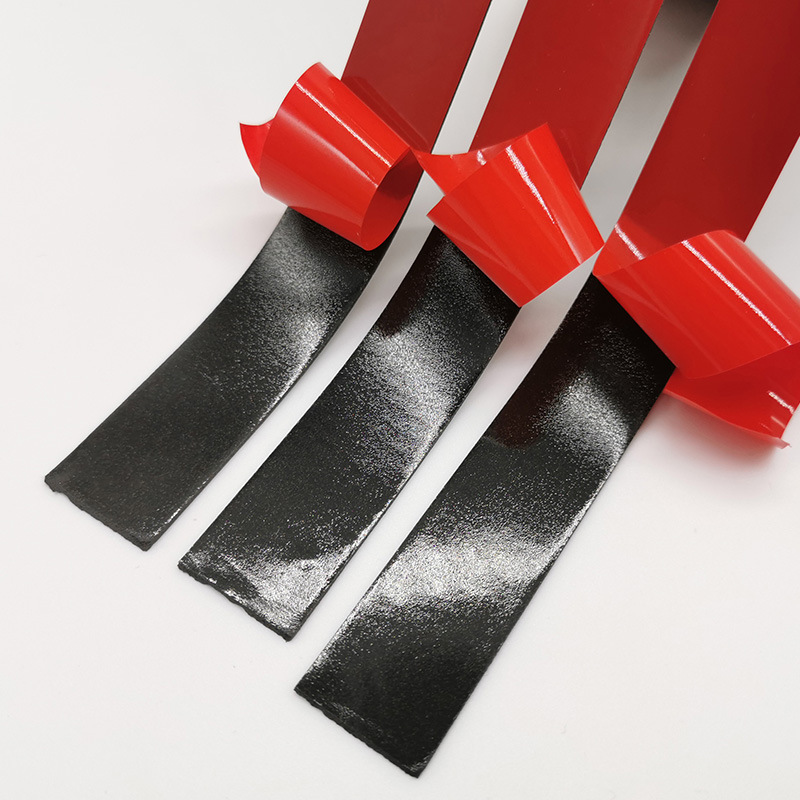
Polyethylene Foam Tape: It’s Everywhere!
Polyethylene foam tape is widely used for mounting, sealing, cushioning, gap filling, and vibration control. Learn how PE foam tape works and how to choose the right type for different applications.
-

How Long Does Acrylic Foam Tape Take to Cure and Reach Full Strength?
Dongguan Gmark New Material Technology Co., Ltd. explains the bonding process and key factors that affect the performance of acrylic foam tape.
-
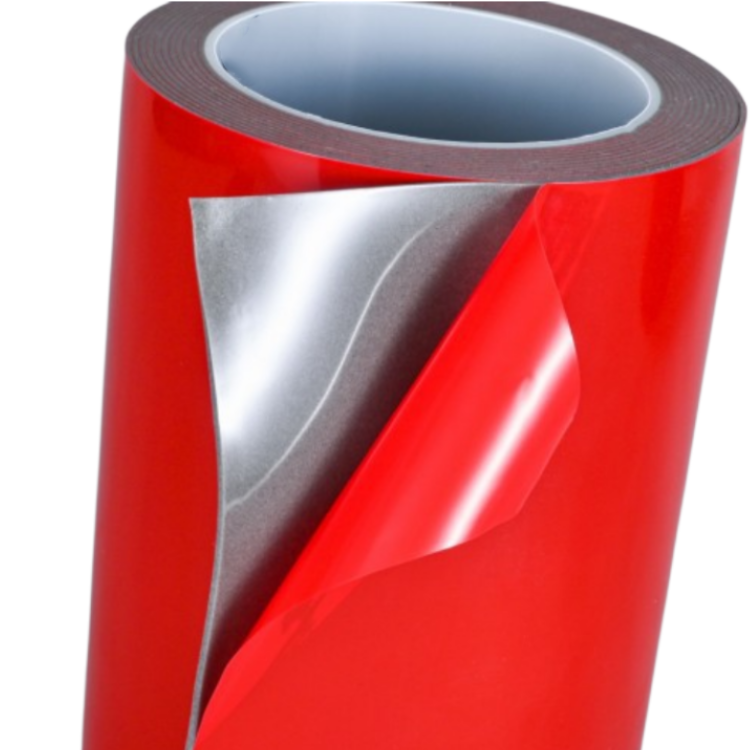
Why Is Acrylic Foam Tape Better Than Regular Double-Sided Tape?
In modern manufacturing, construction, automotive assembly, and signage applications, choosing the right adhesive tape can significantly affect product performance and durability.
-
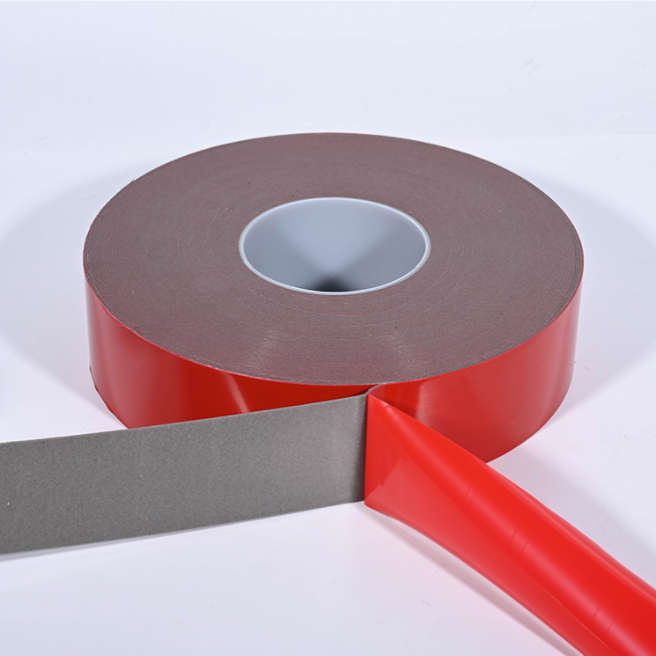
What Is the Difference Between PE Foam Tape and Acrylic Foam Tape?
In industrial bonding and mounting applications, both PE foam tape and acrylic foam tape are widely used to join, mount, cushion, and seal different materials.
-
Does PE Foam Tape Provide Soundproofing and Thermal Insulation?
PE foam tape is widely used for bonding, mounting, cushioning, sealing, and gap filling in automotive, electronics, appliances, construction, and industrial applications.
-
Polyethylene (PE) Foam Tape Supports Growing Demand for Reliable Industrial Bonding Solutions
As manufacturers and distributors continue to seek lightweight, flexible, and reliable bonding materials, Polyethylene (PE) Foam Tape is becoming an increasingly practical solution for a wide range of industrial and commercial applications.
-
Acrylic vs PE vs EVA vs PU Foam Tape: Which Should You Choose?
A complete comparison of acrylic, PE, EVA, and PU foam tapes, including structure, performance, applications, and selection tips for industrial buyers.
-

What is PE Foam Tape?
PE foam tape combines a flexible polyethylene foam carrier with pressure-sensitive adhesive to provide bonding, cushioning, gap filling, and vibration control.
-
PET Double-Sided Tape: Structure, Performance and Industrial Uses
PET double-sided tape combines a stable PET film carrier with pressure-sensitive adhesive layers, making it suitable for applications that require controlled thickness, clean bonding and good dimensional stability.
-
How to Choose Acrylic Foam Tape for Demanding Industrial Applications?
Acrylic foam tape offers strong bonding and stress absorption. Learn which performance factors matter when selecting tape for industrial assembly.
-
Acrylic Foam Tape: Reliable Bonding Solution for Electronics and Automotive Applications
Discover how acrylic foam tape improves electronic and automotive assembly with strong adhesion, weather resistance, vibration absorption, and durable bonding performance.
-
PE Foam Tape for Industrial Sealing, Cushioning and Assembly
PE foam tape combines flexible bonding, cushioning and sealing performance for automotive, electronics, construction and industrial assembly applications.
-
Automotive Bonding Solutions: Choosing the Right Foam Tape for Modern Vehicle Assembly
As automotive manufacturing continues to evolve, advanced foam adhesive tapes are helping manufacturers improve assembly efficiency, reduce vehicle weight, and achieve reliable bonding for interior and exterior components. This article explores how PE foam tape and acrylic foam tape support modern automotive applications.
-
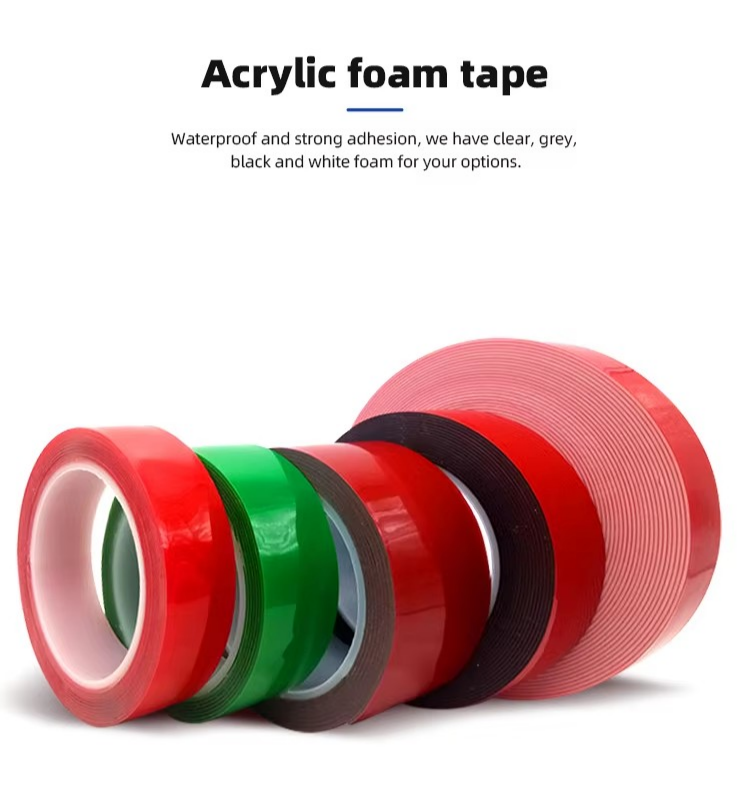
Why Acrylic Foam Tape Is Becoming a Preferred Solution for Industrial Bonding
Acrylic foam tape provides strong bonding, sealing, and stress absorption for automotive, electronics, and industrial applications, replacing traditional fastening methods.
-
Why Thin Doesn't Mean Weak: Understanding Transfer Tape Performance
Double Sided Transfer tape combines an ultra-thin adhesive layer with high bonding strength, making it an ideal solution for precision electronics, LED assembly, and industrial bonding applications where space and reliability are equally important.
-
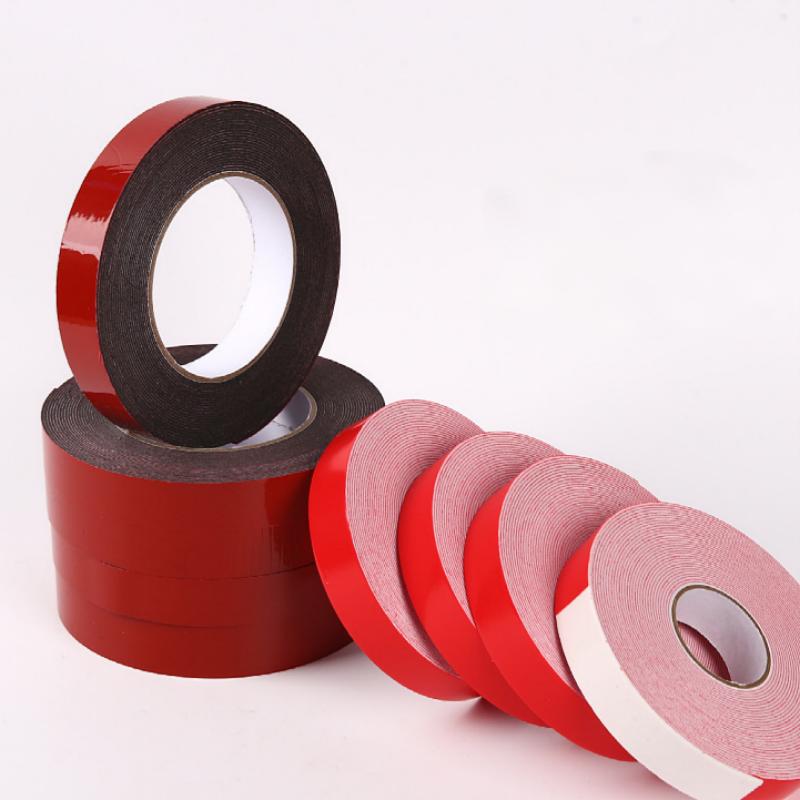
PE Foam Tape Enhances Industrial Bonding and Sealing Performance
PE foam tape provides reliable bonding, sealing, and cushioning performance for automotive, electronics, furniture, and industrial applications.
-
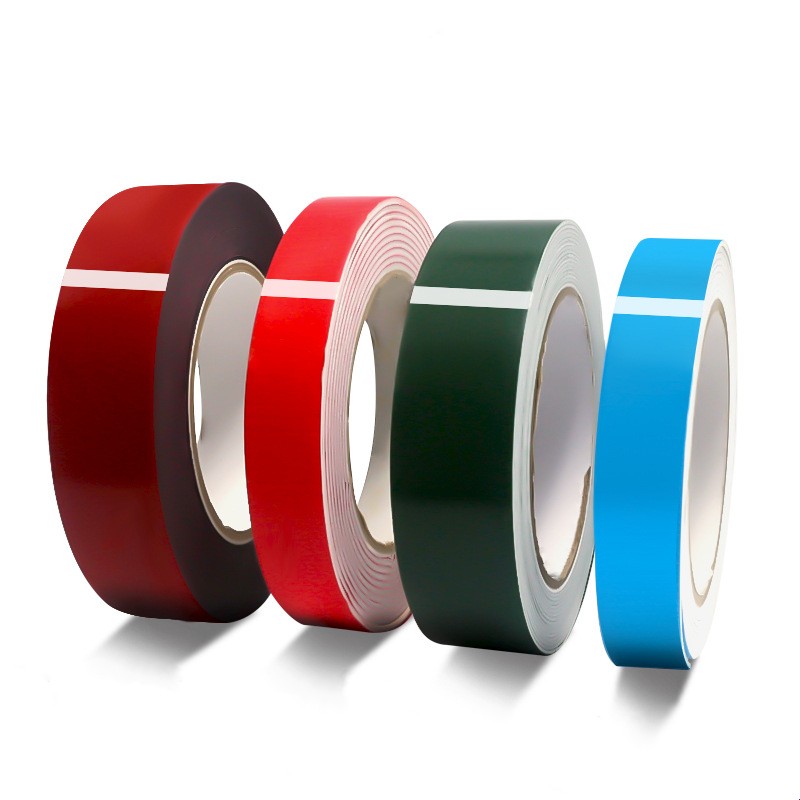
What is PE Foam Tape? Benefits, Uses and Applications
Learn what PE foam tape is, its key benefits, applications, and why it is widely used for automotive, industrial, and mounting solutions.
-
Silicone Sponge for High-Temperature Sealing and Industrial Applications
Discover the benefits, applications, and key properties of silicone sponge for high-temperature sealing, insulation, and industrial cushioning.
-
Why Acrylic Double-Sided Tape Has Become a Preferred Bonding Solution for Home and Industry?
Acrylic double-sided tape is widely used in home improvement, DIY projects, manufacturing, electronics, and commercial applications. Combining strong adhesion, clean appearance, and easy installation, it provides an efficient alternative to traditional fastening methods in many situations. This article explores its key advantages and common uses across different industries.
-
How Acrylic Foam Tape Supports Modern Signage and Advertising Display Installation
Acrylic foam tape has become an important mounting solution in the advertising and signage industry. With its strong bonding performance, clean appearance, and long-term durability, it is widely used for installing signs, display panels, decorative graphics, and promotional materials. This article explores its key advantages and common applications in advertising environments.
-
Understanding PET Double-Sided Tape: Features, Structure, and Industrial Applications
PET double-sided tape is a versatile bonding solution widely used in electronics, industrial assembly, and manufacturing processes. With its PET film carrier, acrylic adhesive system, and excellent dimensional stability, it offers reliable performance across a wide range of applications. This article explores its structure, key characteristics, and practical uses.
-
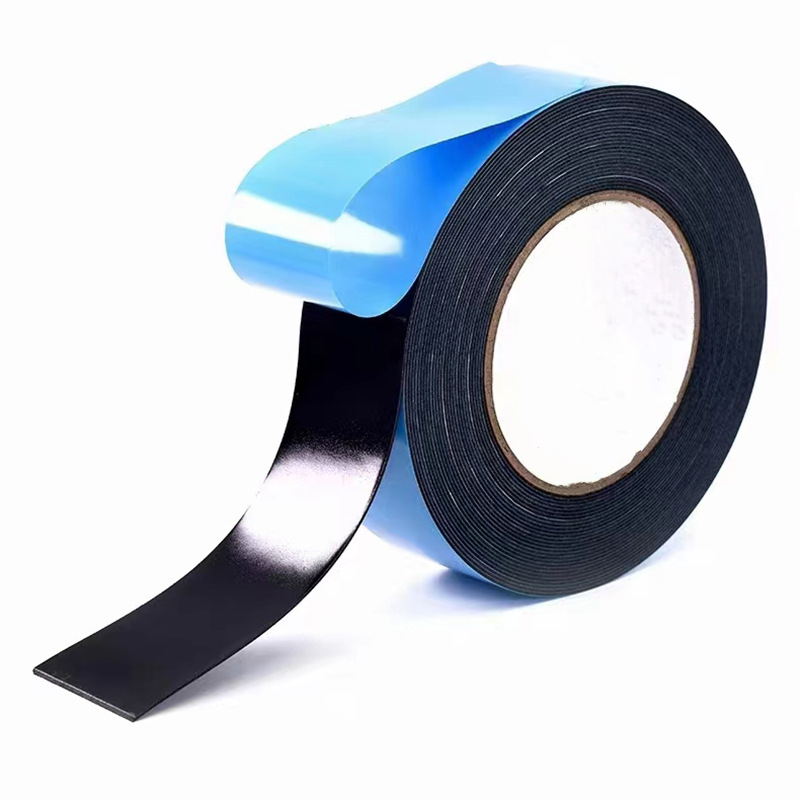
Technical Guide to PE Foam Tape: Adhesive Systems and Film Color Selection Explained
This article provides a professional overview of PE foam tape adhesive systems and film color options, explaining their performance differences, application scenarios, and selection principles. It helps engineers, buyers, and industrial users choose the right tape configuration based on functional and environmental requirements.
-
Solid Silicone vs. Silicone Foam: Choosing the Right Material for Industrial and Consumer Applications
Silicone materials are essential in modern manufacturing, but solid silicone and silicone foam serve different purposes. Learn how their structure, physical properties, and applications differ, and discover which material is ideal for sealing, cushioning, thermal insulation, and comfort.
-
Silicone Foam Material Guide: Key Properties, Industrial Applications, and Future Trends
Silicone foam is a high-resilience, water-resistant, and thermally stable material that is increasingly recognized across multiple industries for its versatility and performance. Combining the elasticity and durability of silicone rubber with the lightweight structure of cellular foam, silicone foam offers excellent sealing, vibration isolation, thermal insulation, and electrical protection capabilities.
-
How PE Foam Expansion Ratio Affects the Performance of PE Foam Tapes?
As a supplier of PE foam tapes, we often get asked: why do some tapes feel softer, while others are firmer and more supportive? The answer lies in the expansion ratio (foaming multiple) of the PE foam substrate.PE foam (polyethylene foam) offers excellent cushioning, flexibility, and lightweight properties — all of which directly affect how a foam tape performs in real-world applications. Understanding expansion ratios helps customers choose the right tape for bonding, sealing, cushioning, or mounting.
-
Dongguan Gmark New Material Technology Unveils Premium EVA Foam Tape for Global Markets
Dongguan Gmark New Material Technology, a leading innovator in advanced adhesive solutions, has launched its latest EVA Foam Tape designed to meet the growing demands of international customers.
-
What is EVA Foam Tape? Why is it Becoming So Popular in 2026?
As global demand for high-performance adhesive materials continues to grow, EVA Foam Tape has become one of the most sought-after solutions across various industries.
-
Solid Silicone vs. Foam Silicone: Understanding the Differences and Their Ideal Applications
When choosing the right silicone material for your project, understanding the differences between Solid Silicone and Foam Silicone can make a significant impact on the performance, durability, and cost-effectiveness of your product. While both materials belong to the same family, they are uniquely suited for different applications based on their structure and properties. In this article, we’ll break down the key differences between solid silicone and foam silicone and explore their ideal uses in various industries.
-

Discover the Top 5 Benefits of Acrylic Foam Double-Sided Tape for Automotive and Industrial Use
Your Adhesive Expert – Acrylic Double-Sided Tape. With its long-lasting performance and exceptional durability, it’s a must-have for anyone looking for a high-quality adhesive in demanding applications.
-
Acrylic Foam Tape Thickness and Applications Guide
GMARK acrylic foam tape combines high adhesion, cushioning, sealing, and shock absorption. Choosing the right acrylic foam tape thickness is crucial for performance. Our guide covers ultra-thin to heavy-duty tapes for industrial, electronic, and construction applications.
-
PE Foam Tape: High-Performance Solution Across Multiple Industries
PE foam tape, made from polyethylene (PE) foam coated with high-performance adhesive, provides cushioning, sealing, bonding, and shock absorption. Widely used in electronics, industrial manufacturing, construction, automotive, and medical applications, it offers reliable performance, environmental resistance, and precise adhesion for diverse industrial needs.
-
GMARK PE Foam Tape Achieves IPX8 Waterproof Certification | High-Performance Adhesive Solution for Electronics
GMARK’s PE foam double-sided tape has successfully passed the IPX8 waterproof test, maintaining strong adhesion and sealing under water immersion. Ideal for smartphones, tablets, and wearables, offering reliable bonding and waterproof protection for electronic devices.
-
What is the Difference Between EVA and PE Tape
In today’s adhesive materials market, both EVA tape and PE tape are widely used across packaging, construction, automotive, and electronic industries. While the two tapes may appear similar, they are made from different base materials, offering unique properties and applications. Understanding their differences helps businesses and end-users select the right solution for specific needs.
-

Double Side Tape VS Acrylic Foam Tape: Which One Is Better for Modern Applications?
In the adhesive solutions market, both Double Side Tape and Acrylic Foam Tape have become essential tools across industries, from construction and automotive to electronics and daily household use. While both products serve as strong bonding options, their properties and applications reveal distinct advantages that make each suitable for different scenarios.
-
PVC Foam Tape vs Acrylic Foam Tape: Which One Is Right for Your Application?
In today’s fast-paced manufacturing and construction industries, choosing the right adhesive material can make a major difference in product performance and durability. Among the most commonly used options are PVC foam tape and acrylic foam tape - but how do they compare?
-

Gmark New Material Emerges as a Leading EVA Foam Tape Supplier for Global Industries
Gmark New Material is a leading EVA foam tape supplier, offering high-performance, customizable tapes for industries like electronics, automotive, and construction. Known for quality, fast lead times, and eco-friendly materials, Gmark supports global distribution and innovation, helping companies achieve durable, reliable products.
-
EVA Foam Tape vs. PU Foam Tape: Which Performs Better for Outdoor Solar Panel Mounting?
As solar energy continues to power the global shift toward clean energy, the materials used in mounting systems are evolving to meet the demands of harsh outdoor environments. Among them, foam tapes play a critical role in providing cushion, sealing, insulation, and vibration resistance between panels and mounting brackets. Two leading contenders—EVA (Ethylene Vinyl Acetate) foam tape and PU (Polyurethane) foam tape—are often compared for performance in solar panel applications. But which one holds up better under real-world outdoor conditions?
-
Why Are Smartphone Manufacturers Adopting EVA Foam Tape
In the race to make smartphones thinner, lighter, and more durable, manufacturers are turning to a surprising material: EVA foam tape. While rarely seen by consumers, this high-performance material is playing a critical behind-the-scenes role in drop protection and internal cushioning.
-
How Does EVA Foam Tape Solve Vibration Damping in High-Speed Trains
As high-speed trains push the boundaries of modern transportation, engineers face a unique challenge: controlling vibration without compromising performance or safety. One of the unsung heroes behind the scenes is EVA foam tape—a lightweight yet highly effective material that's transforming vibration damping in rail systems.
-
What Is the Strongest double sided tape
When it comes to heavy-duty bonding, many people ask: What is the strongest double-sided tape available? The answer lies in a category known as VHB (Very High Bond) tape, particularly acrylic foam-based tapes, which outperform traditional glues and even rivets in many industrial applications.
-
What Is Double-Sided Body Tape Used For
Double-sided body tape has become an essential tool in both the fashion and entertainment industries. But what exactly is it used for? From red carpet looks to everyday wardrobe fixes, this discreet adhesive tape offers a reliable way to keep clothing in place—and confidence intact.
-
What Is the Trick to Double-Sided Tape
Double-sided tape may seem simple, but getting the most out of it takes more than just peeling and sticking. Whether used in industrial assembly, crafting, or home repairs, the real trick to double-sided tape lies in surface preparation, pressure, and patience.
-

Why Are Automotive Giants Switching to Acrylic Foam Tape for EV Battery Assembly
In the rapidly evolving electric vehicle (EV) landscape, every gram matters. As automakers push for greater range, safety, and manufacturing efficiency, a quiet revolution is underway inside the battery packs of today’s most advanced EVs. The unsung hero? Acrylic foam tape — a lightweight, high-performance adhesive solution now being adopted by automotive giants across the globe.
-
Is Acrylic Foam Tape Recyclable? Breaking Down the Sustainability Myths vs Reality
As sustainability becomes a key concern in modern manufacturing, many are asking: Is acrylic foam tape recyclable? The short answer is – not in the traditional sense. But that doesn’t mean it’s environmentally unfriendly. Let’s break down the myths vs. reality behind this high-performance adhesive technology.
-
How Does Acrylic Foam Tape Outperform Traditional Adhesives in Extreme Temperatures? (-40°C to 150°C Test Data)
In industries where bonding strength and temperature resistance are critical, acrylic foam tape is proving to be a game-changer. Recent lab tests show that acrylic foam tape not only maintains adhesion in extreme temperatures ranging from -40°C to 150°C, but also outperforms traditional liquid adhesives and mechanical fasteners in both performance and longevity.
-
Gmark New Material Launches Custom Size Silicone Sponge Foam Rubber Seal Strip for Precision Sealing Applications
Gmark New Material, a trusted name in advanced polymer solutions, has announced the release of its latest innovation: the Custom Size Silicone Sponge Foam Rubber Seal Strip. Designed for high-performance sealing across a range of industries, this product combines durability, flexibility, and customization to meet today’s most demanding engineering needs.
-

Acrylic Foam Tape: The powerful sticky revolution in multi -field applications
With the continuous progress of science and technology, the demand for high -performance materials in various industries is also rising. Acrylic Foam Tape (acrylic bubble tape), as an emerging and high -efficiency bonding material, has gradually become a must -have material for multiple industries with its excellent adhesion performance, temperature resistance and weather resistance.
-
Foam Tape's multiple use: an innovative solution
With the increasing demand for high -efficiency, convenience and multifunctional materials in modern industry and daily life, Foam Tape, as an innovative solution, is gradually entering the public vision. With its excellent sealing, shock absorption, and durability, it is widely used in many fields, which not only brings higher production efficiency to all walks of life, but also provides consumers with a more convenient experience experience.
-
Do You Really Understand Foam Tape?
Foam tape is a tape with sealing and shock-absorbing functions. It is made of EVA, PVC or PE foam as the base material, with solvent-based (or hot-melt) pressure-sensitive adhesive coated on one or both sides and then covered with release paper. It has excellent sealing, compression deformation resistance, flame retardancy, wettability, etc.
-
What are Tack, Adhesion, Cohesion, and Keying of Adhesive Tapes?
The practical adhesive properties of tack, adhesion, cohesion, and keying in pressure-sensitive adhesive products and their relationship are their most important and basic properties. When researching and manufacturing pressure-sensitive adhesives and various products, the requirements of these basic properties must be considered and met firs
-
Research and Analysis on the Market Size and Future Development Trend of China's Double-Sided PE Foam Tape Industry
The market size of China's double-sided PE foam tape industry has maintained steady growth in recent years. In recent years, the market size of the double-sided PE foam tape industry has been showing a good development trend. From 2018 to 2019, its market size increased from 30.98 billion yuan to 34.18 billion yuan, an increase of 10.3%, and from 2020 to 2021, the market size increased from 34.18 billion yuan to 38.99 billion yuan, an increase of 14%. It is expected that the market size of the double-sided PE foam tape industry will continue to maintain a growth trend in 2024, reaching 44.53 billion yuan.
-
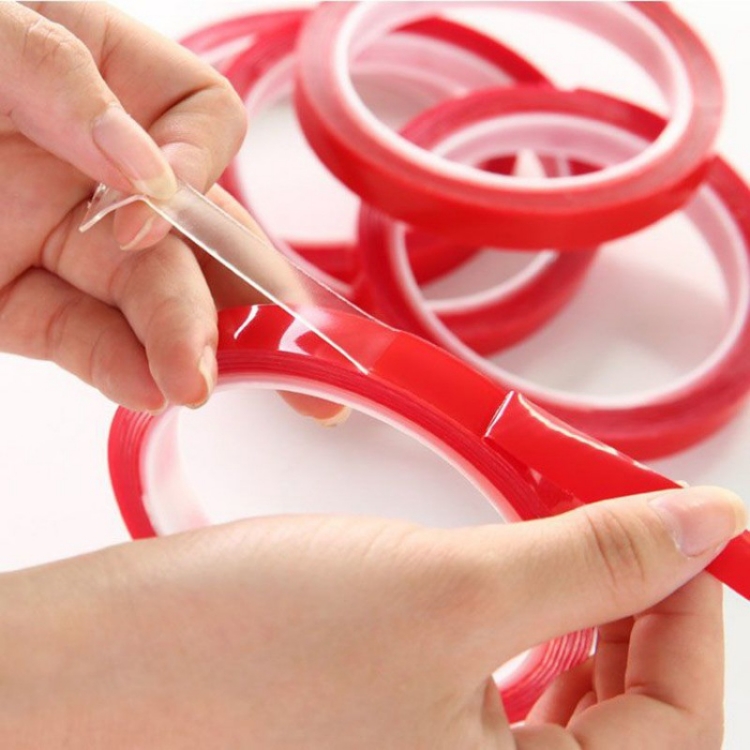
The Role And Application Field Of Acrylic Double-Sided Tapes Often Used In Daily Life
In our daily life, adhesive products are often used for packaging and sticking things, and double-sided tape is a kind of adhesive product often used in daily life. The more common double-sided tapes in daily life include EVA foam double-sided tape, PET foam double-sided tape, acrylic double-sided tape, etc. There are many types. Next, the editor of GMARK tape manufacturer will share with you the role and use of acrylic double-sided tape.
-
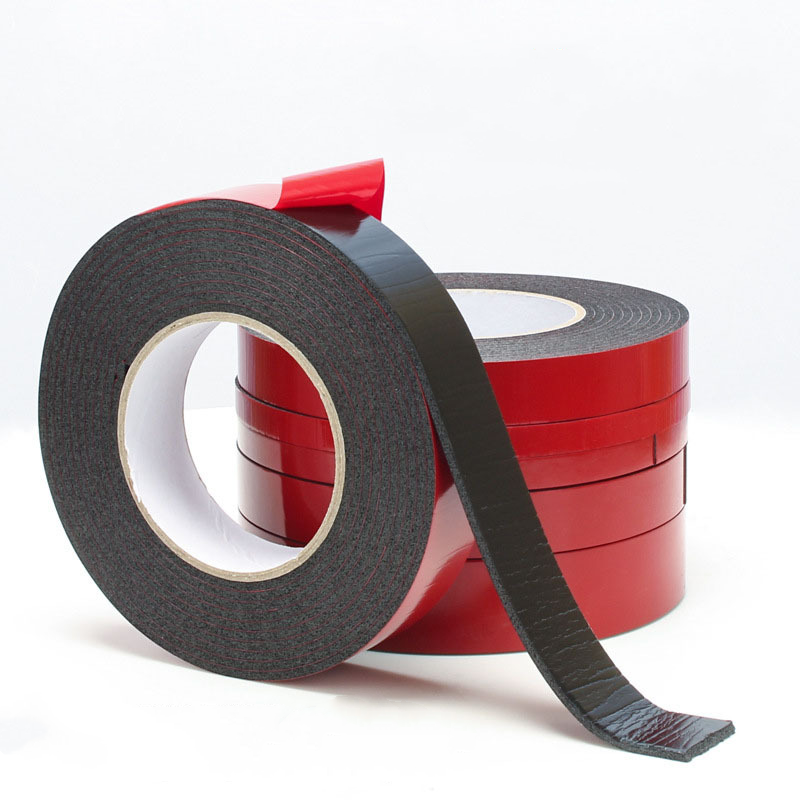
Learn About The Advantages And Operation Requirements Of Foam Tape In One Article
Foam tape has excellent sealing performance during use, which can effectively prevent its gas release and atomization to a certain extent. GMARK tape has excellent resistance to compression deformation, so the elasticity of the product is durable, which can effectively ensure that its accessories are protected from shock for a long time.
-
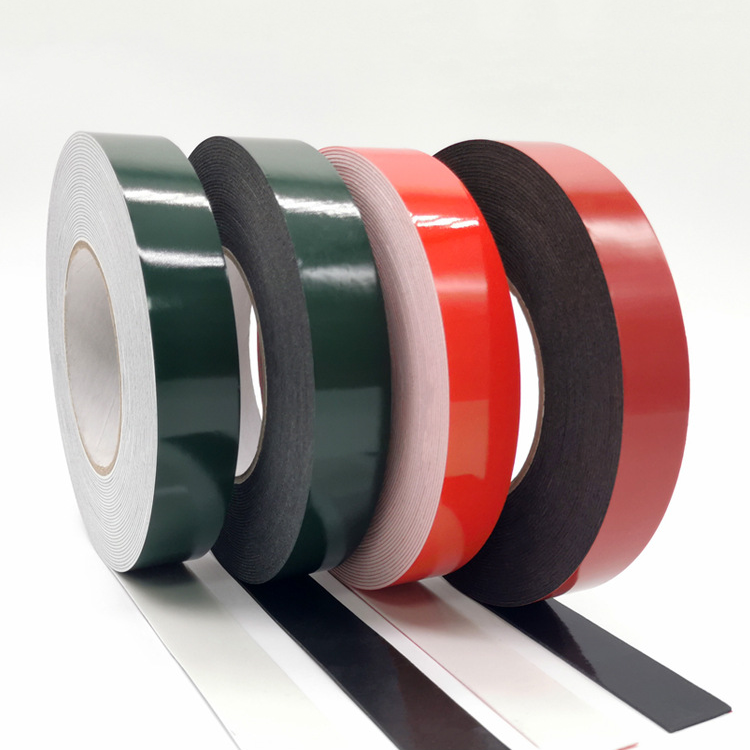
About The Characteristics And Applications Of PE Foam Tape And EVA Foam Tape
About foam tape, many people may not know much about this tape. In fact, the usage rate of foam tape is still relatively high, and it can be involved in basically all walks of life. Next, the editor of GMARK tape manufacturer will share with you some general information about foam tape, hoping to help you understand foam tape.
-
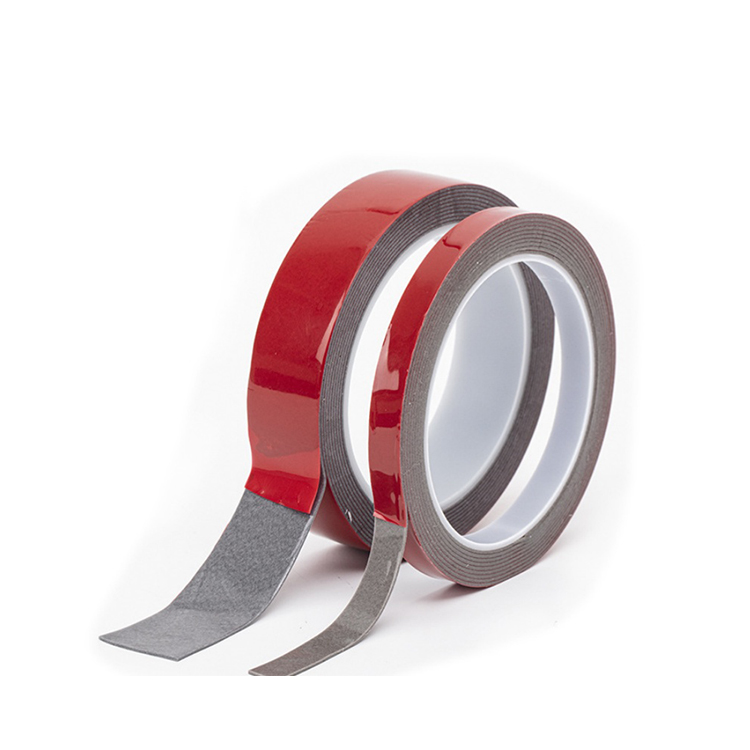
Heavy Duty Gray Mounting Adhesive Tape Leads New Market Trend
Recently, a revolutionary Heavy Duty Gray Mounting Adhesive Tape was launched on the market. Its excellent waterproof performance and strong high adhesion make it stand out from many products. This double-sided acrylic foam tape has quickly attracted widespread attention in the industry with its unique gray appearance and excellent performance.
-
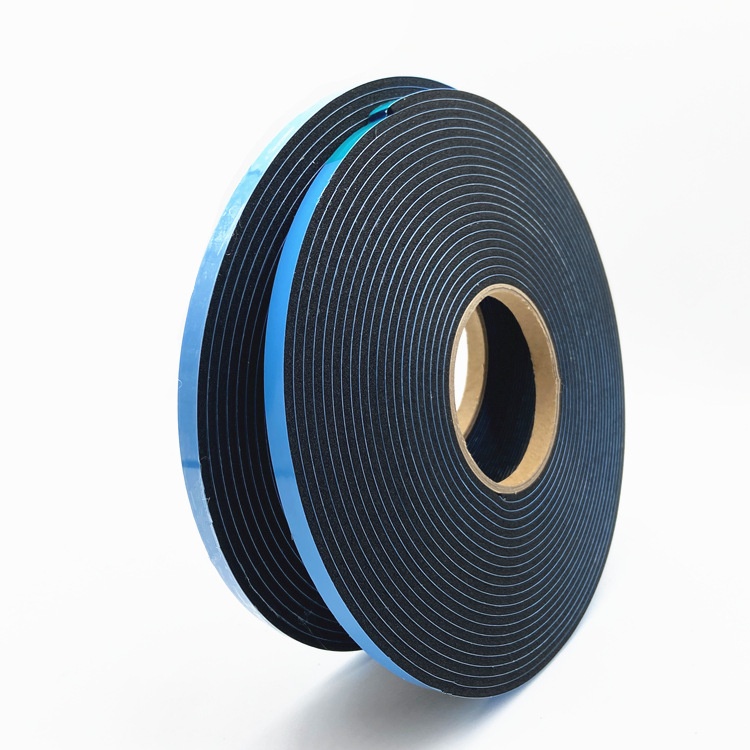
PVC Foam Tape VS EVA Foam Tape
PVC foam tape and EVA foam tape are widely used in industrial and daily applications, but they have significant differences in material properties, application scenarios and performance. The following is a detailed comparison of the two foam tapes.
-
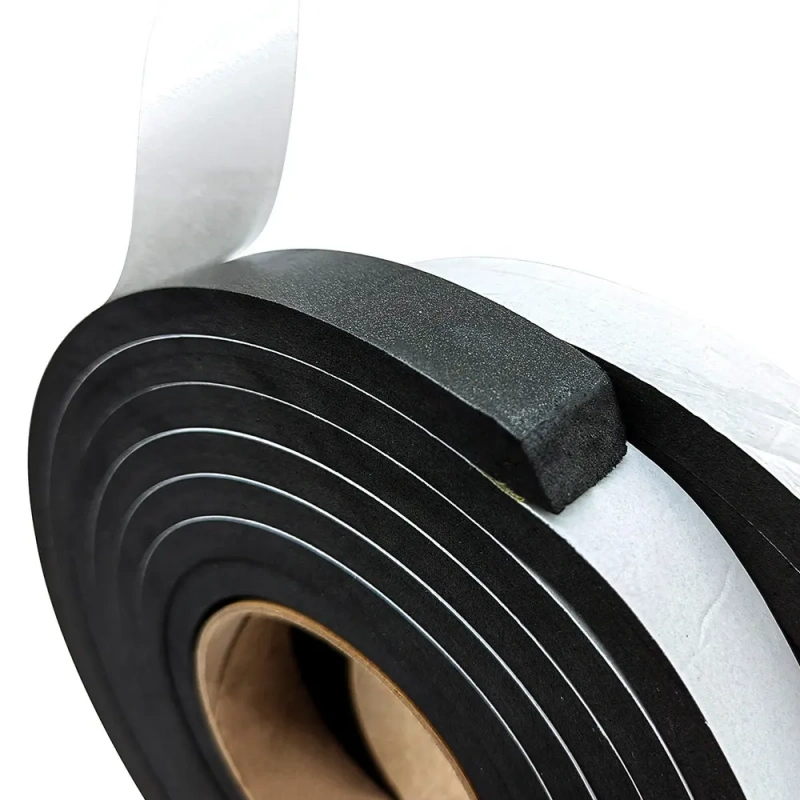
What is foam tape used for? Exploring its versatile applications
Foam tape, a seemingly humble yet incredibly versatile adhesive product, is gaining prominence across various industries for its wide range of applications. From construction to crafts, this innovative material is proving indispensable in both everyday tasks and specialized projects.
-
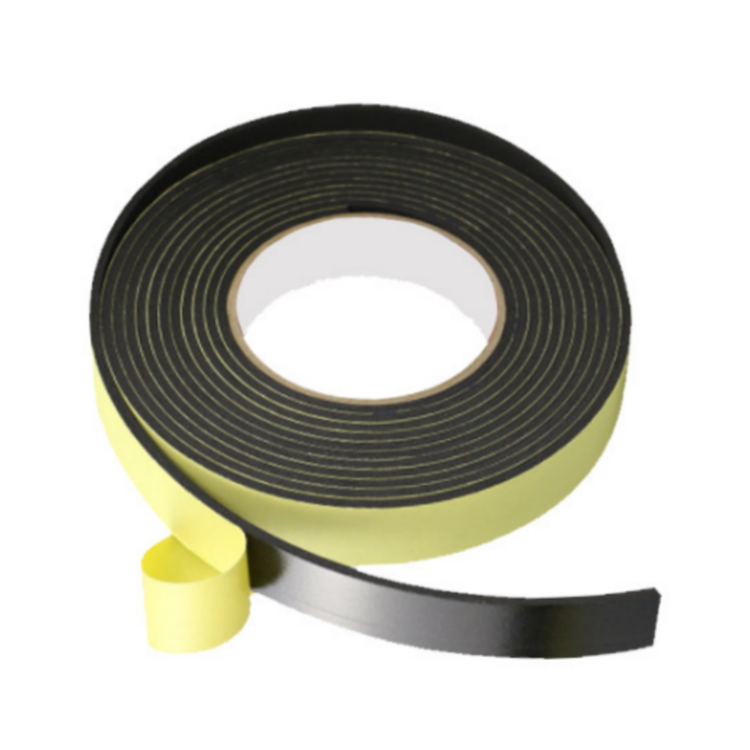
What is EVA Foam Tape: A Versatile Material for Various Applications
EVA foam tape, an increasingly popular material in various industries, is known for its versatility and durability. But what exactly is EVA foam tape, and what makes it so widely used?
-
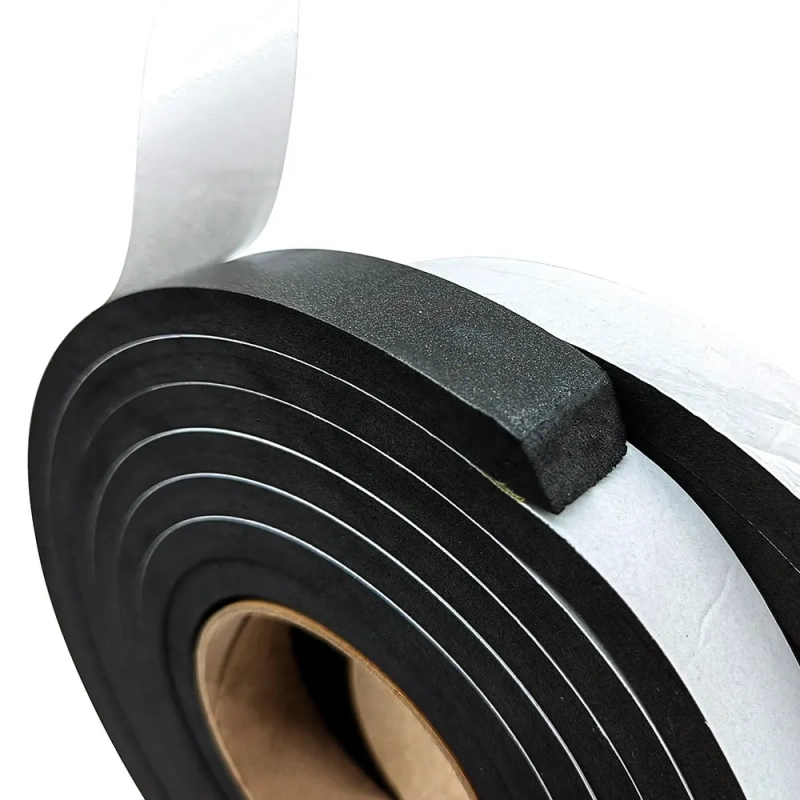
Advantages of EVA foam tape: Multifunctional applications help the development of various industries
With the increasing demand for high-performance adhesive materials in the industrial and consumer markets, EVA (ethylene-vinyl acetate) foam tape has become a highly regarded product due to its excellent performance and wide application prospects. This article will explore the main advantages of EVA foam tape and its application in various industries.
-
What is 3M Foam Tape Used For?
In the realm of adhesive solutions, 3M foam tape stands out as a versatile and essential tool for various applications across industries. Known for its strength, durability, and flexibility, 3M foam tape serves a multitude of purposes, making it a go-to choice for professionals and DIY enthusiasts alike.
-
Gmark New Material leads the acrylic foam tape market: dual drive of innovation and quality
In recent years, with the rapid development of the industrial and consumer electronics markets, the demand for acrylic foam tapes has also continued to grow. As a leading brand in the industry, Gmark New Material is leading the market trend in this field with its outstanding innovation capabilities and high-quality products.
-
Exploring PVC Foam Tape: A Multifunctional Adhesive Tool
PVC foam tape is a multifunctional adhesive material that has been widely used in various fields in recent years. But what exactly is PVC foam tape? Let us explore the characteristics and applications of this material.
-
What is Double-Sided Tape Called? Unveiling the Secret Behind this Household Essential
Double-sided tape, a ubiquitous item found in households, offices, and industries alike, serves as a versatile adhesive solution for a myriad of purposes. But have you ever wondered what this indispensable tool is formally called?
-

Gmark New Material launches innovative acrylic foam tape, leading new industry trends
Gmark New Material, as a leading company committed to innovation, today announced the launch of a new acrylic foam tape, injecting fresh vitality into the market. This foam tape not only has excellent bonding performance and weather resistance, but also has higher adaptability and convenience, which will bring customers a new use experience.
-
How is Double-Sided Tape Used? Unveiling the Versatile Adhesive's Multitude of Applications
In the world of adhesives, double-sided tape stands out as a versatile and indispensable tool used across various industries and households alike. From mounting pictures on walls to ensuring carpets stay in place, the uses of double-sided tape are as diverse as they are numerous.
-
Do You Know These Characteristics About Silicone Foam?
Silicone foam is a medium density, silicone rubber closed foam product. The temperature range of the foamed silicone foam material is -60°C-200°C, which can be used for a long time and maintain its soft and elastic properties. It is environmentally friendly, non-toxic, and has excellent electrical properties.
-
Glue Removal Tips For Transparent Tape
Whether it is in our life or in industrial production, transparent tape is often used. After the transparent tape is used, it is easy to leave residual glue on the surface of the object. If it is not cleaned in time, a black lake area will be formed, which is very ugly. Let's take a look at the tips for removing glue from transparent tape.


