
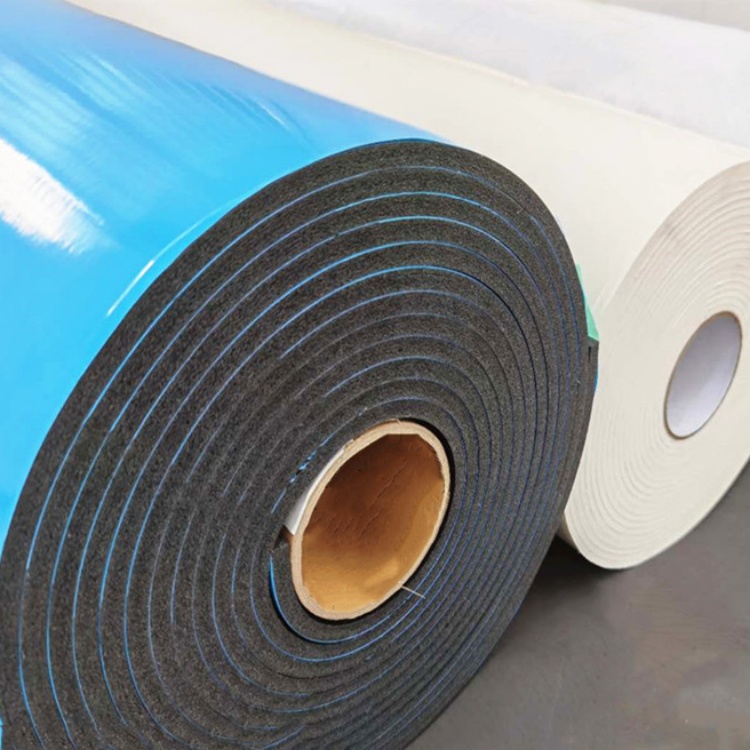
Black PVC Glazing Tape with Blue Release Film High Density
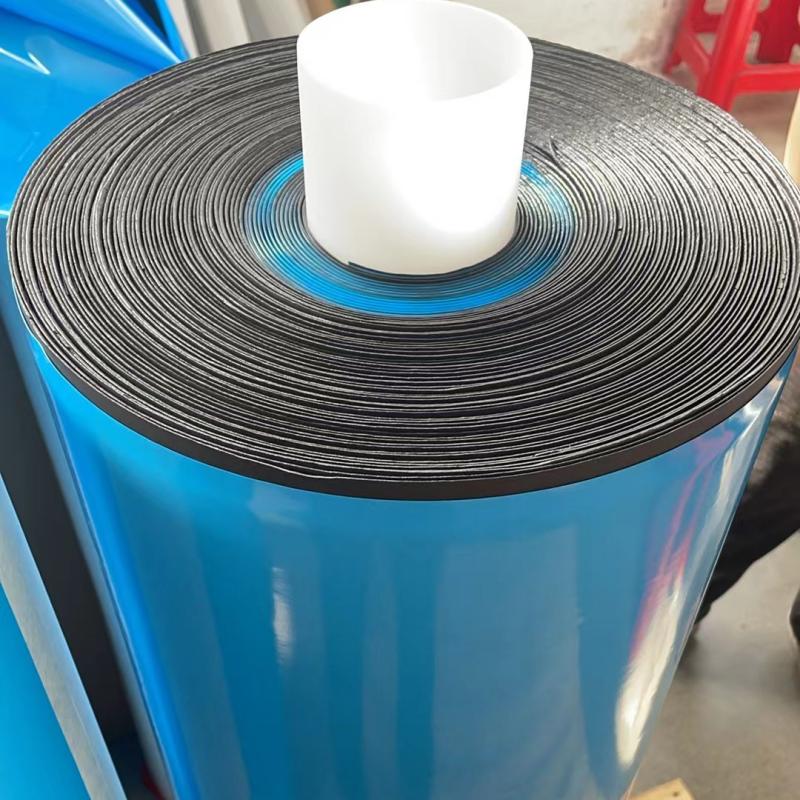
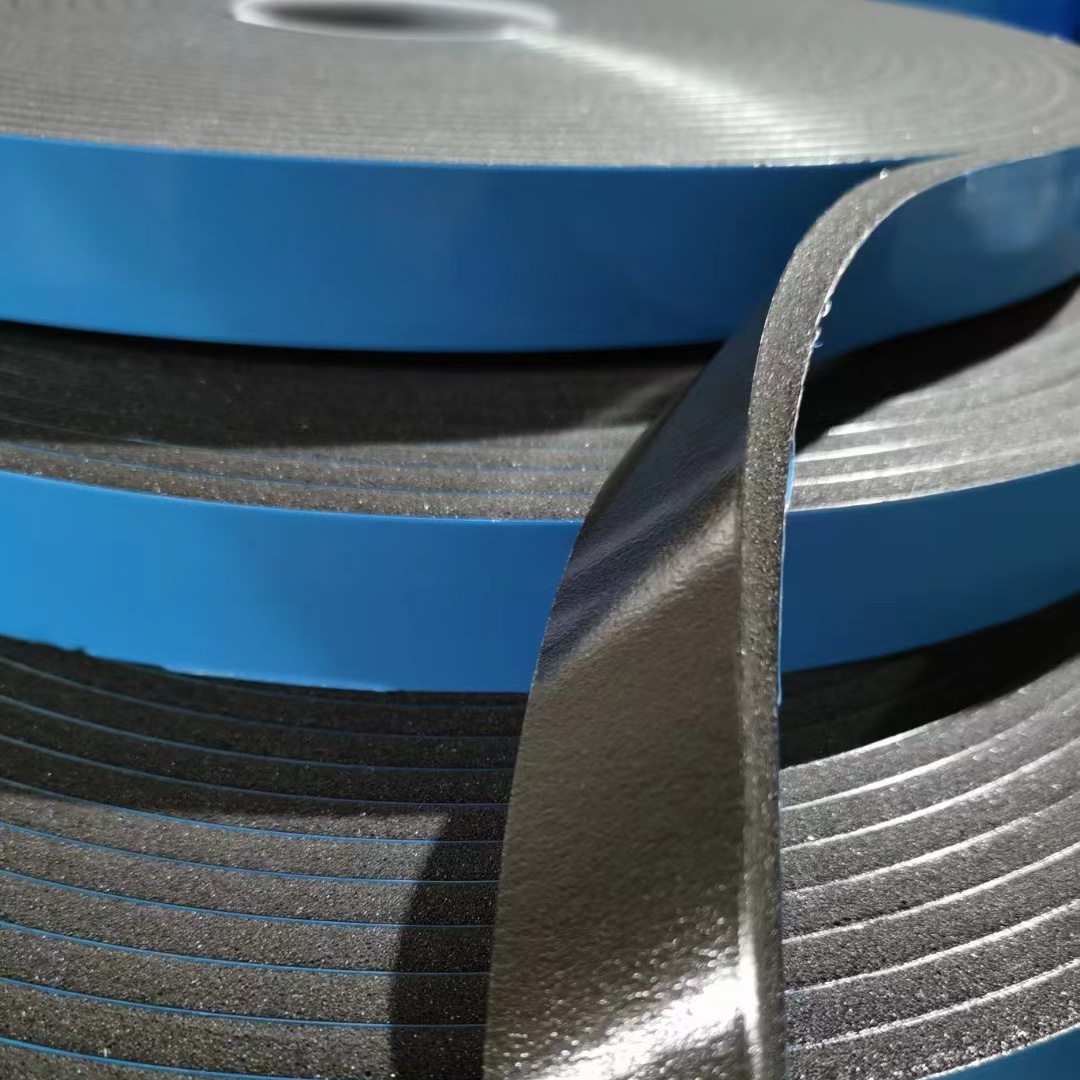
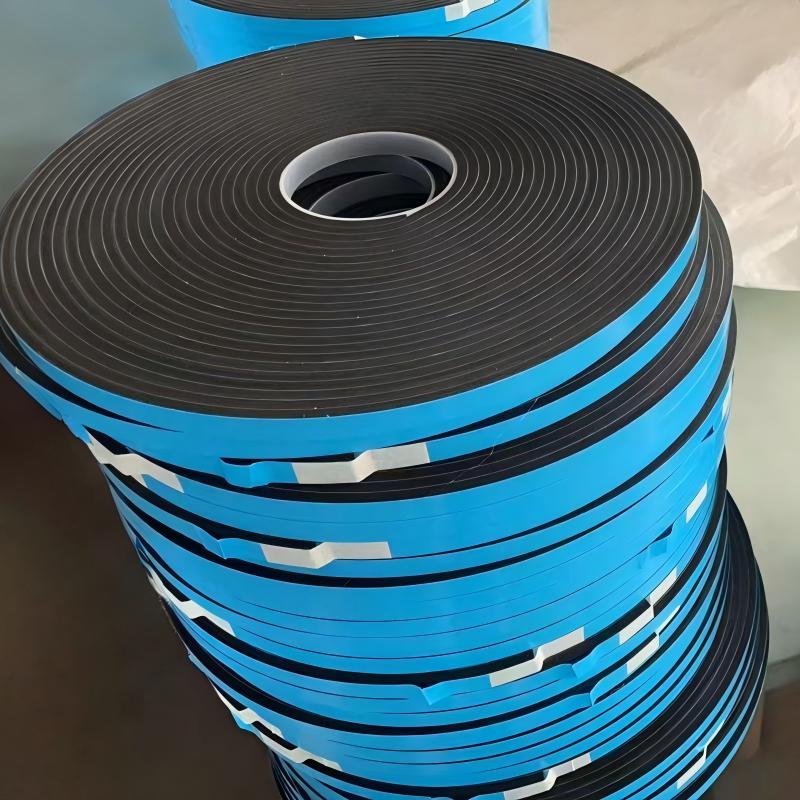
Black PVC Glazing Tape features a firm closed-cell foam core, double-sided acrylic adhesive and a blue release film for convenient handling. Designed for selected glazing and panel assembly processes, the tape helps maintain separation between components while providing adhesive contact on both sides. Custom density and thickness options support different joint designs and converting requirements.
Send InquiryProduct Description
PVC Glazing Tape for Glass Panel Assembly
Black Closed-Cell Foam with a Firm Supporting Structure
Blue Release Film for Convenient Adhesive Application
Double-Sided Acrylic Bonding for Compatible Surfaces
Black PVC Glazing Tape with Blue Release Film High Density
Product Details
Product Overview
PVC Glazing Tape is a double-sided adhesive foam material developed for glass-related assembly and panel installation. The firm PVC foam core provides a defined layer between adjacent components, while the acrylic adhesive on both sides supports bonding to compatible surfaces.
The black foam construction gives the product a distinct appearance for applications where a dark spacer material is preferred. A blue release film protects the adhesive before installation and helps operators identify the liner during application. The liner is removed when the tape is ready to be applied.
PVC Glazing Tape is available in different thicknesses and density grades to accommodate varying joint dimensions and assembly requirements. The appropriate grade depends on the required gap, compression, substrate materials and environmental conditions.
Material Structure
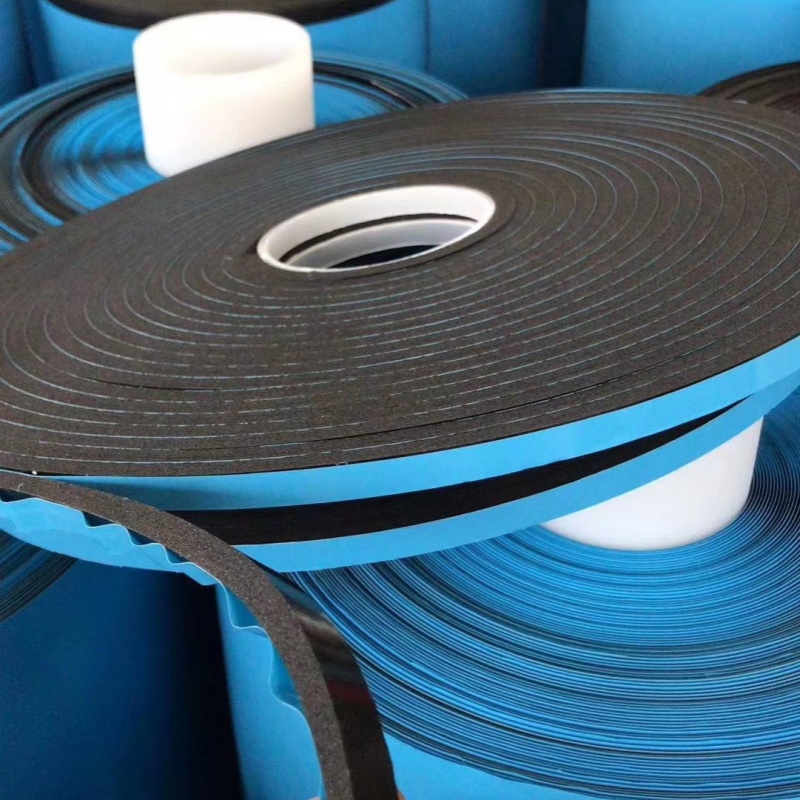
PVC Glazing Tape combines three functional layers:
♦ Black PVC foam core: Provides the main body of the tape and helps maintain separation between assembled components.
♦ Double-sided acrylic adhesive: Creates bonding contact with suitable substrates on both sides.
♦ Blue release film: Protects the adhesive surface during storage, handling and positioning before application.
The foam core is made from closed-cell PVC material. The relatively firm structure supports controlled spacing, while the adhesive layer helps hold compatible components in position during assembly. The actual installed gap depends on the nominal thickness, applied pressure, substrate flatness and compression of the foam.
Technical Specifications
| Parameter | Specification |
| Product name | PVC Glazing Tape |
| Foam material | Closed-cell PVC |
| Foam color | Black |
| Adhesive | Double-sided acrylic adhesive |
| Release liner | PE film; blue color subject to confirmation |
| Density range | Approximately 300–500 kg/m³ |
| Typical density | 350 ± 50 kg/m³ |
| Thickness range | 0.5–16 mm |
| 180° peel adhesion | 0.82 N/mm |
| Compression strength | ≥75 kPa |
| Compression set at 30% compression | ≤5% |
| Elongation at break | ≥90% |
| Tensile strength | ≥900 kPa |
| Flame-retardant options | Available only for applicable grades; confirm documentation |
The values above are based on the supplied technical information. Confirm the test method, actual grade, color, adhesive specification and applicable performance requirements before ordering.
Main Product Features
Firm Foam for Controlled Spacing
PVC Glazing Tape provides a relatively firm foam layer between compatible components. The structure can help maintain a more consistent separation during assembly, making the selected thickness and compression characteristics important factors in joint design.
Double-Sided Acrylic Adhesion
The acrylic adhesive on both sides supports attachment to suitable surfaces, including glass, aluminum and stainless steel, subject to surface condition and testing. Correct cleaning, positioning and application pressure can help improve bonding consistency.
Closed-Cell Foam Construction
The closed-cell PVC core helps limit moisture uptake. In a correctly designed and compressed joint, PVC Glazing Tape may contribute to moisture and dust sealing. The finished sealing performance depends on joint geometry, substrate condition, compression and the surrounding assembly.
Blue Release Film for Handling
The release film covers the adhesive before use, helping protect the bonding surface from dust and accidental contact. A blue liner can also make the release layer easier to identify during manual application, provided the selected product is supplied with the specified blue film.
Mechanical Integrity
The firm foam structure offers resistance to tearing during normal converting and handling. The supplied technical data includes a tensile strength of at least 900 kPa and elongation at break of at least 90%. Actual performance should be verified for the selected grade and test conditions.
Weathering and Environmental Considerations
PVC Glazing Tape may be suitable for applications exposed to changing environmental conditions, depending on the grade and assembly design. Outdoor exposure, UV resistance, temperature limits and chemical compatibility should be assessed against the intended service environment rather than assumed for every configuration.
Typical Applications
Glass Panel Assembly
PVC Glazing Tape can be evaluated for positioning and spacing between compatible glass components. The required tape thickness, compression and adhesive performance should be determined by the design of the finished assembly.
Curtain Wall and Window Systems
The firm foam layer can support selected curtain wall and window fabrication processes where a controlled separation layer is needed. Whether the tape functions as a spacer, bonding aid or sealing component must be defined by the system design.
Glass and Metal Interfaces
The double-sided adhesive construction may be used to bond compatible glass and metal components. Aluminum and stainless steel are potential substrates, but surface coatings, contamination and surface energy can affect adhesion. Testing on the actual materials is recommended.
Commercial Glazing and Display Panels
PVC Glazing Tape can be considered for certain display panels, partitions and glass-related assemblies requiring a foam layer between components. The product grade should be selected according to the expected loads, movement and environmental exposure.
Selected Enclosure and Panel Joints
Where the application requires a firm foam interface between compatible panels, the material may also be evaluated for non-glazing assemblies. Confirm the required compression, service temperature and sealing performance before use.
Product Advantages
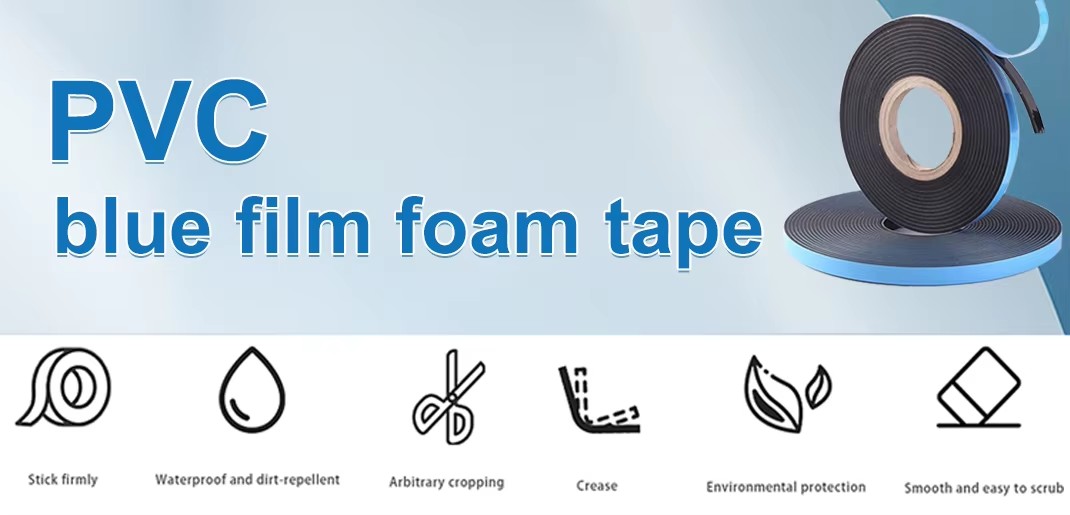
PVC Glazing Tape combines a foam spacer layer and adhesive surfaces in one converted product. This construction can simplify positioning and assembly compared with processes that require a separate spacer and independently applied adhesive, depending on the application.
The range of available densities and thicknesses allows the material to be matched to different joint dimensions. The closed-cell foam structure, double-sided adhesive and protective release liner also support convenient handling during assembly.
For projects comparing PVC foam with higher-cost materials such as high-density polyurethane, PVC Glazing Tape may be evaluated as an economical alternative where the technical requirements are compatible. Material selection should consider compression behavior, adhesion, durability, certification and the intended function of the finished joint—not purchase price alone.
Customization and Converting
GMARK can review PVC Glazing Tape requirements based on a drawing, sample or application specification. Depending on production feasibility, customization may include:
♦ Black foam and specified release liner colors
♦ Thickness options from 0.5 to 16 mm
♦ Density selection within available grades
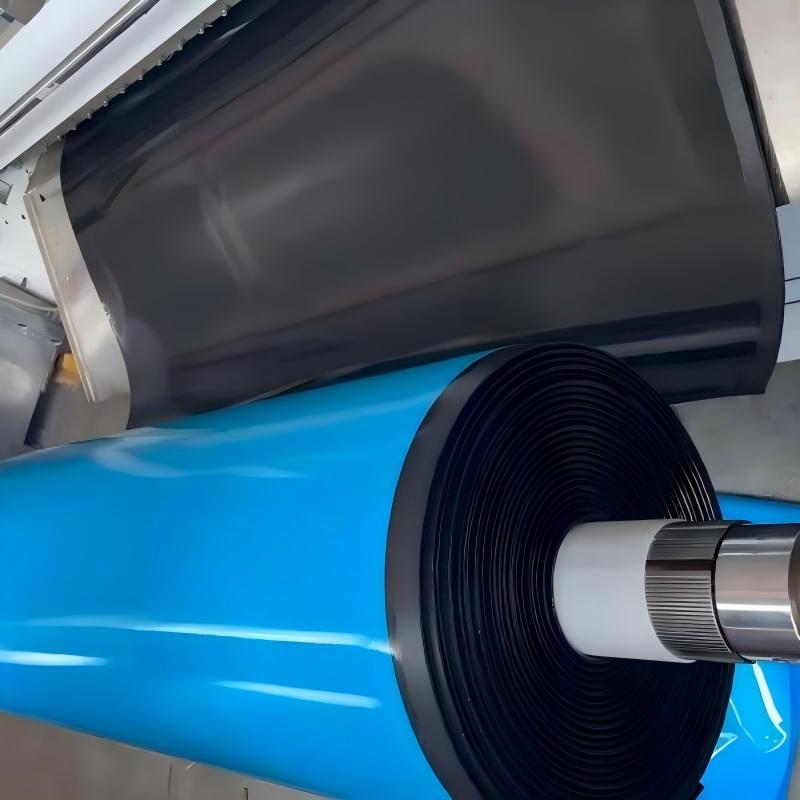
♦ Custom roll widths and lengths
♦ Slitting and die-cut shapes
♦ Adhesive configuration for compatible substrates
♦ Grade-specific flame-retardant requirements
To support accurate selection, provide the substrate materials, joint dimensions, required compression, installation method and service environment. For glazing applications, details about sealant contact and the intended glass system are also important.
Application Recommendations
-
Check the foam thickness and adhesive grade against the intended joint design.
-
Clean the bonding surfaces and remove dust, oil, moisture and other contaminants.
-
Confirm adhesive compatibility with glass, metal, coatings or other substrates.
-
Remove the release film carefully and position PVC Glazing Tape without stretching or misalignment.
-
Apply even pressure to establish contact, following the recommended process for the selected grade.
-
Evaluate bonding and spacing on a representative assembly before starting mass production.
When PVC Glazing Tape is used near silicone sealants or other construction chemicals, compatibility testing is recommended. Not every acrylic adhesive formulation is compatible with every sealant chemistry.
PVC Glazing Tape should not automatically be treated as a structural glazing component or as a replacement for mechanical support. For safety-critical glass installations, confirm the product's approved role within the complete engineered system.
Quality and Order Confirmation
Before placing an order, confirm the required foam color, liner color, thickness, density, roll dimensions and adhesive performance. The supplied typical values are reference specifications and may vary by grade or test method.
Where a project requires a specific flame-retardant classification, request documentation for the exact product grade. UL 94, FMVSS 302 and BS 476-7 are separate standards and should not be presented as interchangeable certifications.
For new applications, a sample evaluation is recommended to check bonding, compression, joint spacing and compatibility with surrounding materials before production quantities are finalized.
Contact Us
Email: [email protected]
Phone: +86 18237680349
Send us your drawings, specifications, or application requirements, and our team will provide the most suitable double sided tape solution for your project.
WeChat WhatsApp


