
Acrylic Foam Tape: Reliable Bonding Solution for Electronics and Automotive Applications
2026-08-20
Acrylic Foam Tape: Reliable Bonding Solution for Electronics and Automotive Applications
Key Takeaways
- Acrylic foam tape provides strong and durable bonding for demanding industrial applications.
-
Its viscoelastic foam structure helps absorb stress caused by vibration and thermal expansion.
-
It is widely used in electronics, automotive parts, signage, and structural assembly.
-
Proper tape selection depends on substrate materials, environment, and bonding requirements.
Why Acrylic Foam Tape Is Becoming Important in Modern Manufacturing
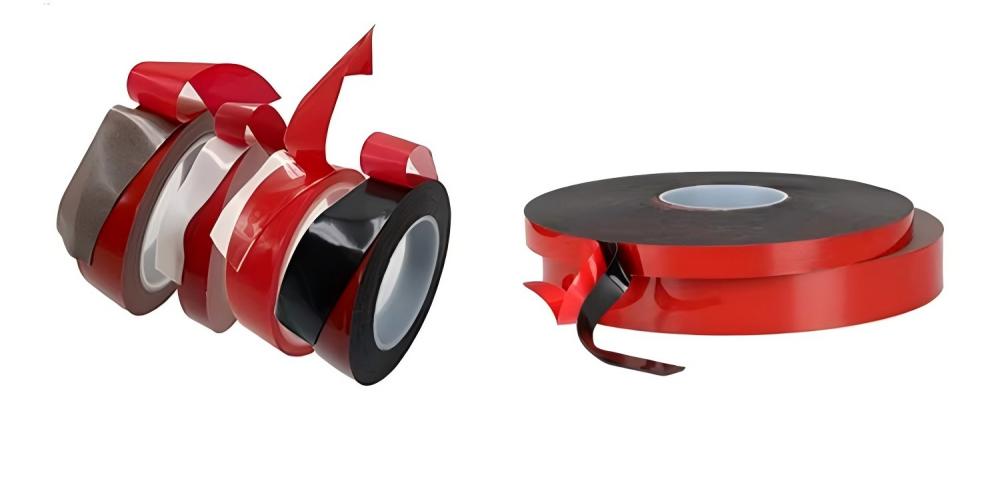
As electronic products become thinner and automotive designs become more lightweight, traditional fastening methods such as screws, clips, and welding are facing new challenges.
Manufacturers today require bonding materials that can provide strong attachment while maintaining appearance, flexibility, and long-term reliability.
Acrylic foam tape has become an important solution for these applications because it combines high adhesion with cushioning performance. Unlike rigid fastening methods, the foam structure allows the tape to absorb stress and accommodate small movements between different materials.
This makes it suitable for applications where durability, appearance, and production efficiency are equally important.
What Makes Acrylic Foam Tape Different?
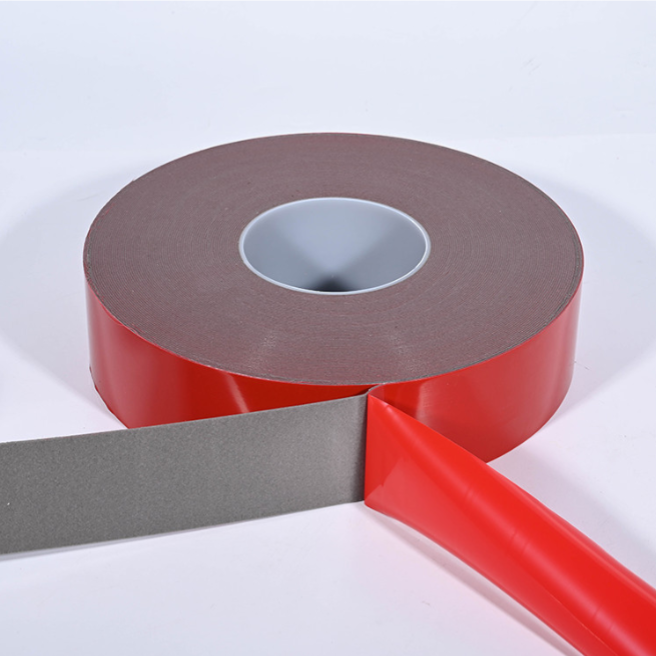
Acrylic foam tape is a high-performance double-sided adhesive material manufactured through a special acrylic polymer foaming process.
Unlike traditional foam tapes that use a separate foam carrier coated with adhesive, acrylic foam tape itself is formed from a viscoelastic acrylic adhesive material. The unique molecular structure provides both bonding performance and foam-like flexibility.
During application, the acrylic foam adhesive layer can adapt to different surfaces while maintaining strong bonding performance. It can also absorb stress caused by vibration, thermal expansion, and material differences, making it suitable for demanding industrial applications.
Strong Bonding Performance
Acrylic adhesive technology provides excellent adhesion to many common industrial materials, including:
-
Metal
-
Glass
-
Painted surfaces
-
ABS and PC plastics
-
Decorative panels
This allows manufacturers to create clean and reliable assemblies without visible mechanical fasteners.
Excellent Weather Resistance
Many industrial products operate under changing environmental conditions, including temperature fluctuations, humidity, UV exposure, and vibration.
Acrylic foam tape is designed to maintain stable performance over long periods, making it suitable for both indoor and outdoor applications.
Typical applications include:
-
Vehicle exterior parts
-
Electronic equipment housings
-
Outdoor signs
-
Lighting assemblies
Vibration Damping and Stress Relief
Different materials expand and contract at different rates when temperatures change.
For example, metal and plastic components in automotive assemblies may experience different thermal expansion behaviors.
The flexible acrylic foam layer helps distribute stress across the bonding area, reducing the risk of edge lifting or adhesive failure.
Applications of Acrylic Foam Tape in Electronics
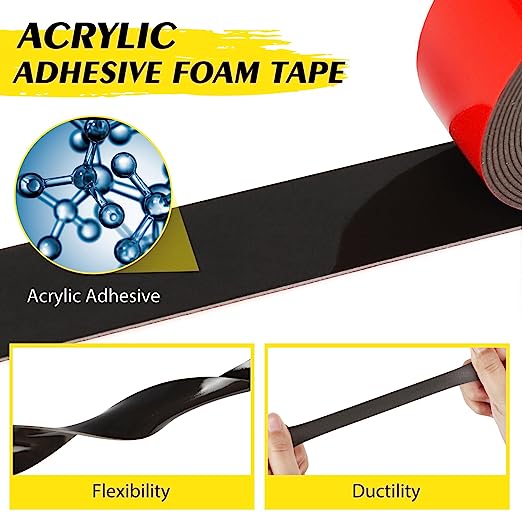
Modern electronic products require compact designs and reliable internal structures.
Acrylic foam tape is commonly used for:
-
Display module fixation
-
Battery component mounting
-
Electronic housing assembly
-
LED component installation
-
Touch panel bonding
Its thin profile helps save internal space while maintaining reliable attachment.
For electronic applications, manufacturers usually consider:
-
Required thickness
-
Temperature resistance
-
Surface compatibility
-
Long-term aging performance
Automotive Applications of Acrylic Foam Tape
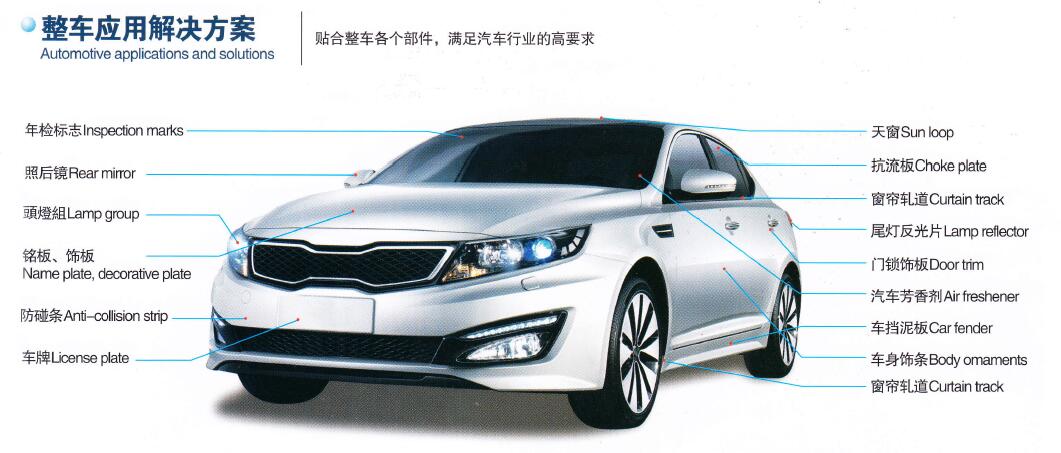
The automotive industry has increasingly adopted adhesive bonding technologies to improve design flexibility and manufacturing efficiency.
Acrylic foam tape is widely used for:
-
Vehicle emblems and nameplates
-
Side molding attachment
-
Decorative trims
-
Mirror components
-
Interior panels
-
Electronic modules
Compared with mechanical fastening, adhesive bonding can reduce visible fixing points and improve the appearance of finished vehicles.
The foam structure also helps provide sealing and vibration reduction functions, which are valuable in automotive environments.
Acrylic Foam Tape vs PE Foam Tape
| Performance | Acrylic Foam Tape | PE Foam Tape |
| Adhesion Strength | High | Medium to High |
| Weather Resistance | Excellent | Good |
| Stress Absorption | Excellent | Good |
| Outdoor Durability | Excellent | Moderate to Good |
| Typical Applications | Structural bonding, automotive exterior parts | Mounting, sealing, cushioning |
| Surface Adaptability | Wide range of substrates | General industrial applications |
Both products have their advantages. Acrylic foam tape is usually selected for higher-performance bonding requirements, while PE foam tape is often used for general mounting and sealing applications.
How to Choose the Right Acrylic Foam Tape
Selecting the correct tape specification is important for achieving reliable bonding performance.
Consider the Bonding Surface
Different materials require different adhesive characteristics.
Factors include:
-
Surface energy
-
Surface roughness
-
Coating type
-
Cleanliness
Testing on the actual substrate is recommended before mass production.
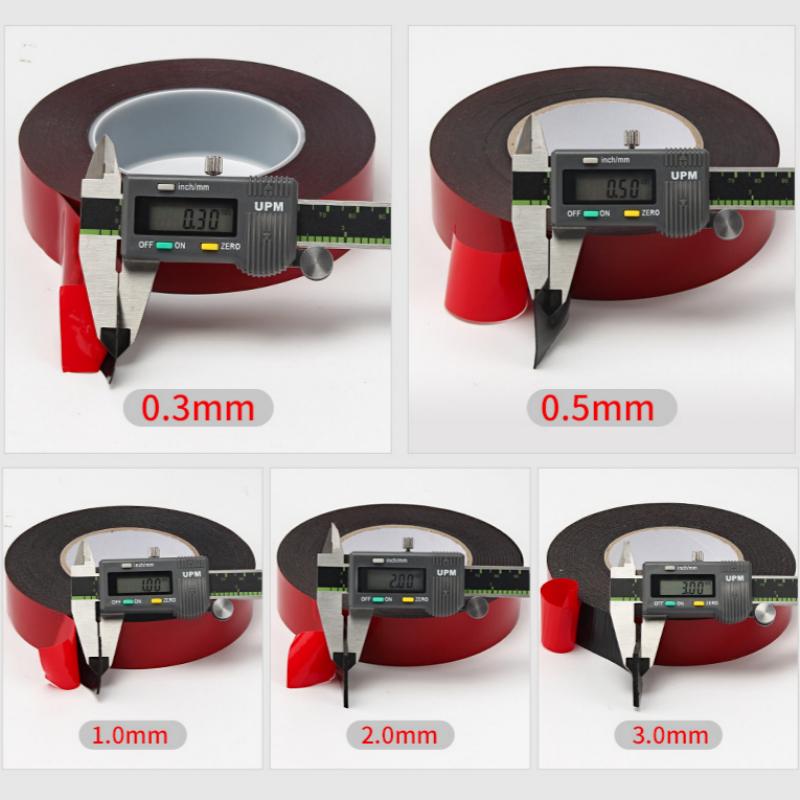
Select Appropriate Thickness
Tape thickness affects:
-
Gap filling ability
-
Stress absorption
-
Appearance after assembly
Thicker foam tapes generally provide better cushioning, while thinner tapes are suitable for space-limited applications.
Evaluate Working Environment
Before selecting a product, manufacturers should consider:
-
Temperature range
-
Moisture exposure
-
UV conditions
-
Chemical contact
-
Mechanical vibration
A suitable adhesive solution should match the complete application environment.
Customized Acrylic Foam Tape Solutions for Industrial Needs
For different industries, standard roll products may not always meet assembly requirements.
Manufacturers may require:
-
Custom widths
-
Different thickness options
-
Die-cut shapes
-
Special liners
-
Customized packaging
Professional adhesive tape suppliers can provide solutions from material selection to converting processes, helping customers improve production efficiency.
Conclusion
Acrylic foam tape has become an important bonding solution for modern electronics, automotive, and industrial manufacturing.
Its combination of strong adhesion, flexibility, weather resistance, and stress absorption allows it to replace traditional fastening methods in many applications.
For manufacturers seeking reliable bonding performance, selecting the correct acrylic foam tape specification based on materials, environment, and assembly requirements is the key to achieving long-term product reliability.
For more information, please feel free to contact us:
Email: [email protected]
Phone: +86 18237680349
WeChat WhatsApp


RELATED NEWS
-
Polyethylene Foam Tape: It’s Everywhere!
Polyethylene foam tape is widely used for mounting, sealing, cushioning, gap filling, and vibration control. Learn how PE foam tape works and how to choose the right type for different applications.
-

How Long Does Acrylic Foam Tape Take to Cure and Reach Full Strength?
Dongguan Gmark New Material Technology Co., Ltd. explains the bonding process and key factors that affect the performance of acrylic foam tape.
-
Why Is Acrylic Foam Tape Better Than Regular Double-Sided Tape?
In modern manufacturing, construction, automotive assembly, and signage applications, choosing the right adhesive tape can significantly affect product performance and durability.
-
What Is the Difference Between PE Foam Tape and Acrylic Foam Tape?
In industrial bonding and mounting applications, both PE foam tape and acrylic foam tape are widely used to join, mount, cushion, and seal different materials.
-
Does PE Foam Tape Provide Soundproofing and Thermal Insulation?
PE foam tape is widely used for bonding, mounting, cushioning, sealing, and gap filling in automotive, electronics, appliances, construction, and industrial applications.
-
Polyethylene (PE) Foam Tape Supports Growing Demand for Reliable Industrial Bonding Solutions
As manufacturers and distributors continue to seek lightweight, flexible, and reliable bonding materials, Polyethylene (PE) Foam Tape is becoming an increasingly practical solution for a wide range of industrial and commercial applications.
-
Acrylic vs PE vs EVA vs PU Foam Tape: Which Should You Choose?
A complete comparison of acrylic, PE, EVA, and PU foam tapes, including structure, performance, applications, and selection tips for industrial buyers.
-

What is PE Foam Tape?
PE foam tape combines a flexible polyethylene foam carrier with pressure-sensitive adhesive to provide bonding, cushioning, gap filling, and vibration control.
-
PET Double-Sided Tape: Structure, Performance and Industrial Uses
PET double-sided tape combines a stable PET film carrier with pressure-sensitive adhesive layers, making it suitable for applications that require controlled thickness, clean bonding and good dimensional stability.
-
How to Choose Acrylic Foam Tape for Demanding Industrial Applications?
Acrylic foam tape offers strong bonding and stress absorption. Learn which performance factors matter when selecting tape for industrial assembly.
-
PE Foam Tape for Industrial Sealing, Cushioning and Assembly
PE foam tape combines flexible bonding, cushioning and sealing performance for automotive, electronics, construction and industrial assembly applications.
-
Automotive Bonding Solutions: Choosing the Right Foam Tape for Modern Vehicle Assembly
As automotive manufacturing continues to evolve, advanced foam adhesive tapes are helping manufacturers improve assembly efficiency, reduce vehicle weight, and achieve reliable bonding for interior and exterior components. This article explores how PE foam tape and acrylic foam tape support modern automotive applications.
-
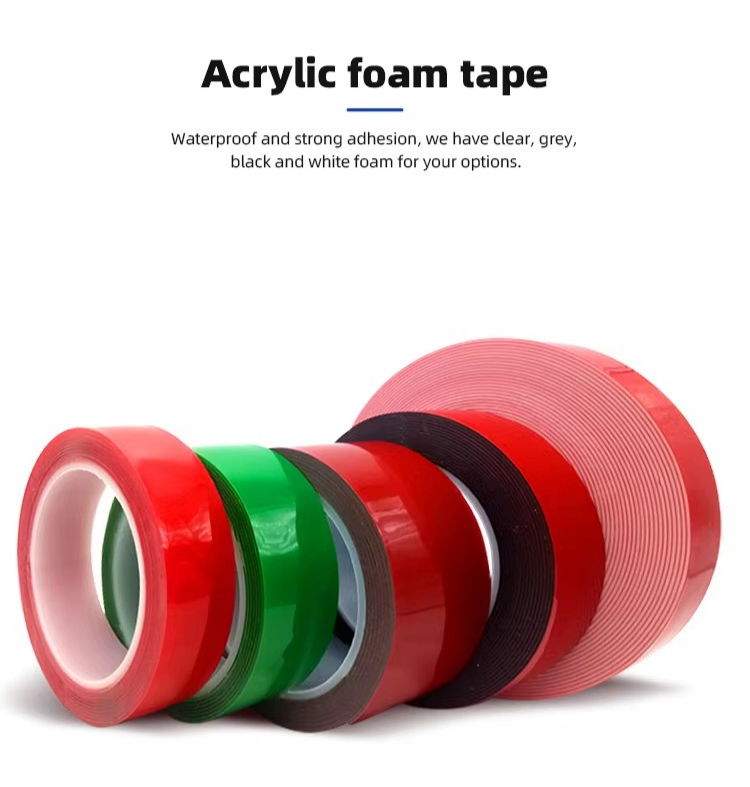
Why Acrylic Foam Tape Is Becoming a Preferred Solution for Industrial Bonding
Acrylic foam tape provides strong bonding, sealing, and stress absorption for automotive, electronics, and industrial applications, replacing traditional fastening methods.
-
Why Thin Doesn't Mean Weak: Understanding Transfer Tape Performance
Double Sided Transfer tape combines an ultra-thin adhesive layer with high bonding strength, making it an ideal solution for precision electronics, LED assembly, and industrial bonding applications where space and reliability are equally important.
-
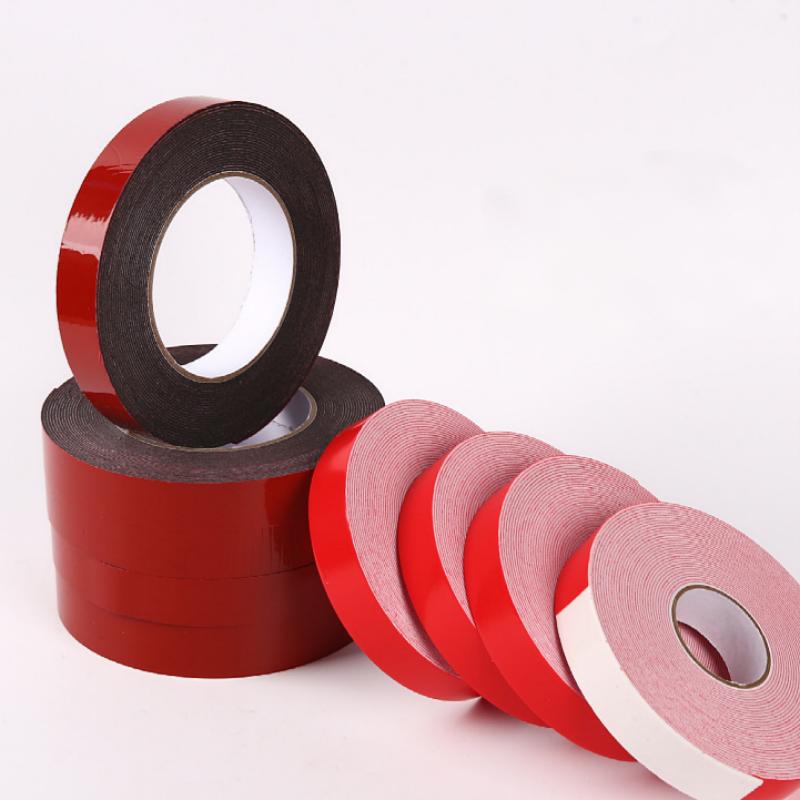
PE Foam Tape Enhances Industrial Bonding and Sealing Performance
PE foam tape provides reliable bonding, sealing, and cushioning performance for automotive, electronics, furniture, and industrial applications.
-
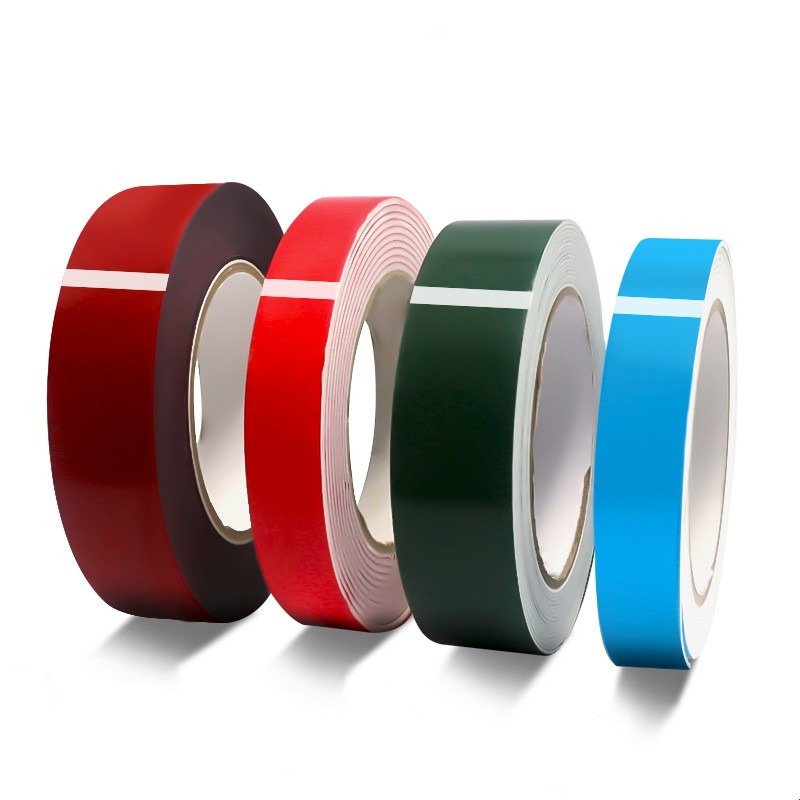
What is PE Foam Tape? Benefits, Uses and Applications
Learn what PE foam tape is, its key benefits, applications, and why it is widely used for automotive, industrial, and mounting solutions.
-
Silicone Sponge for High-Temperature Sealing and Industrial Applications
Discover the benefits, applications, and key properties of silicone sponge for high-temperature sealing, insulation, and industrial cushioning.
-
Why Acrylic Double-Sided Tape Has Become a Preferred Bonding Solution for Home and Industry?
Acrylic double-sided tape is widely used in home improvement, DIY projects, manufacturing, electronics, and commercial applications. Combining strong adhesion, clean appearance, and easy installation, it provides an efficient alternative to traditional fastening methods in many situations. This article explores its key advantages and common uses across different industries.
-
How Acrylic Foam Tape Supports Modern Signage and Advertising Display Installation
Acrylic foam tape has become an important mounting solution in the advertising and signage industry. With its strong bonding performance, clean appearance, and long-term durability, it is widely used for installing signs, display panels, decorative graphics, and promotional materials. This article explores its key advantages and common applications in advertising environments.
-
Understanding PET Double-Sided Tape: Features, Structure, and Industrial Applications
PET double-sided tape is a versatile bonding solution widely used in electronics, industrial assembly, and manufacturing processes. With its PET film carrier, acrylic adhesive system, and excellent dimensional stability, it offers reliable performance across a wide range of applications. This article explores its structure, key characteristics, and practical uses.
-
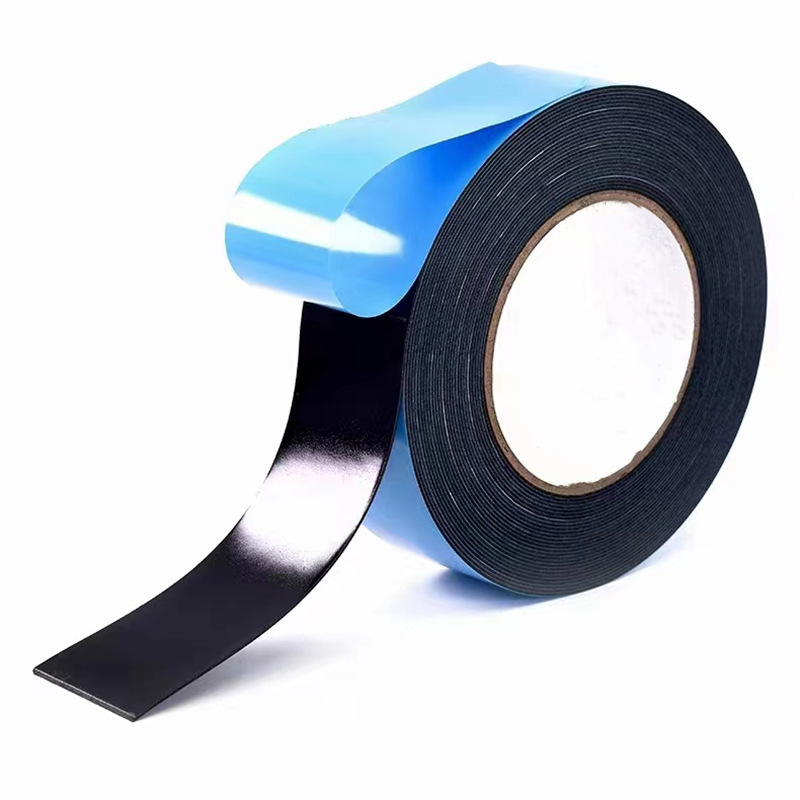
Technical Guide to PE Foam Tape: Adhesive Systems and Film Color Selection Explained
This article provides a professional overview of PE foam tape adhesive systems and film color options, explaining their performance differences, application scenarios, and selection principles. It helps engineers, buyers, and industrial users choose the right tape configuration based on functional and environmental requirements.
-
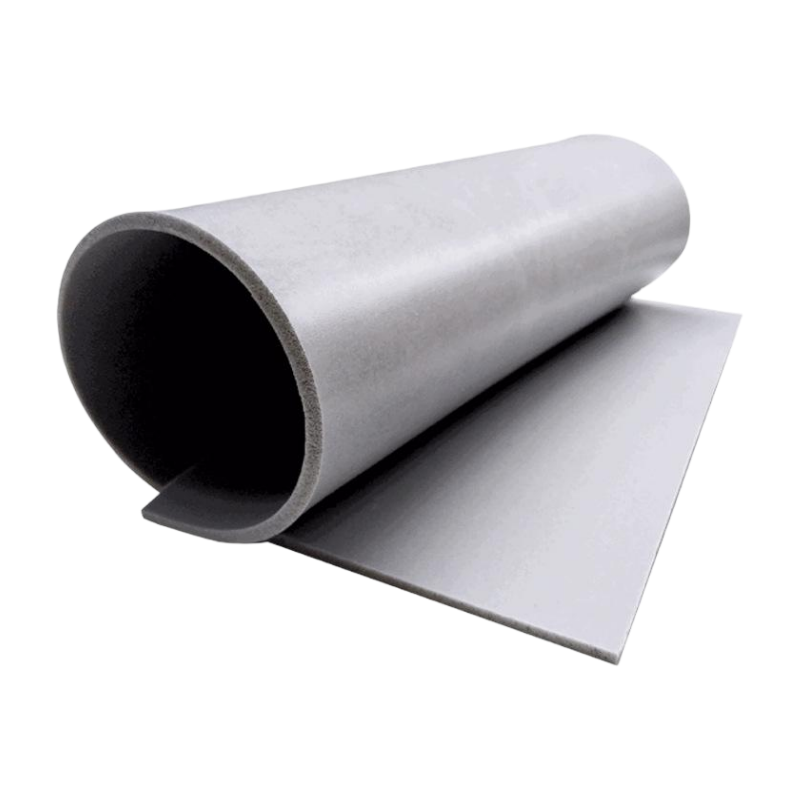
Solid Silicone vs. Silicone Foam: Choosing the Right Material for Industrial and Consumer Applications
Silicone materials are essential in modern manufacturing, but solid silicone and silicone foam serve different purposes. Learn how their structure, physical properties, and applications differ, and discover which material is ideal for sealing, cushioning, thermal insulation, and comfort.
-
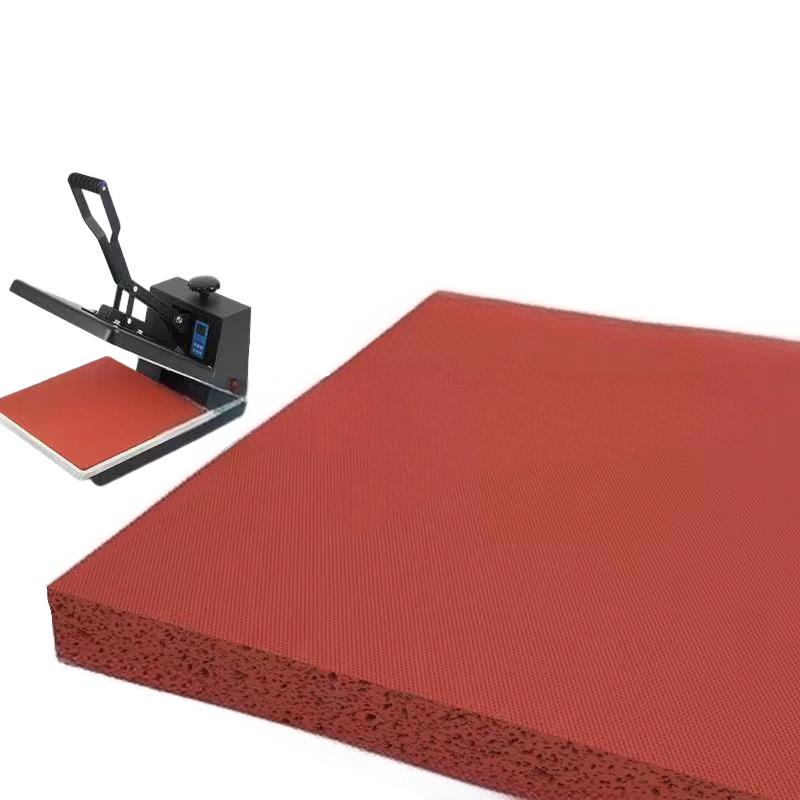
Silicone Foam Material Guide: Key Properties, Industrial Applications, and Future Trends
Silicone foam is a high-resilience, water-resistant, and thermally stable material that is increasingly recognized across multiple industries for its versatility and performance. Combining the elasticity and durability of silicone rubber with the lightweight structure of cellular foam, silicone foam offers excellent sealing, vibration isolation, thermal insulation, and electrical protection capabilities.
-
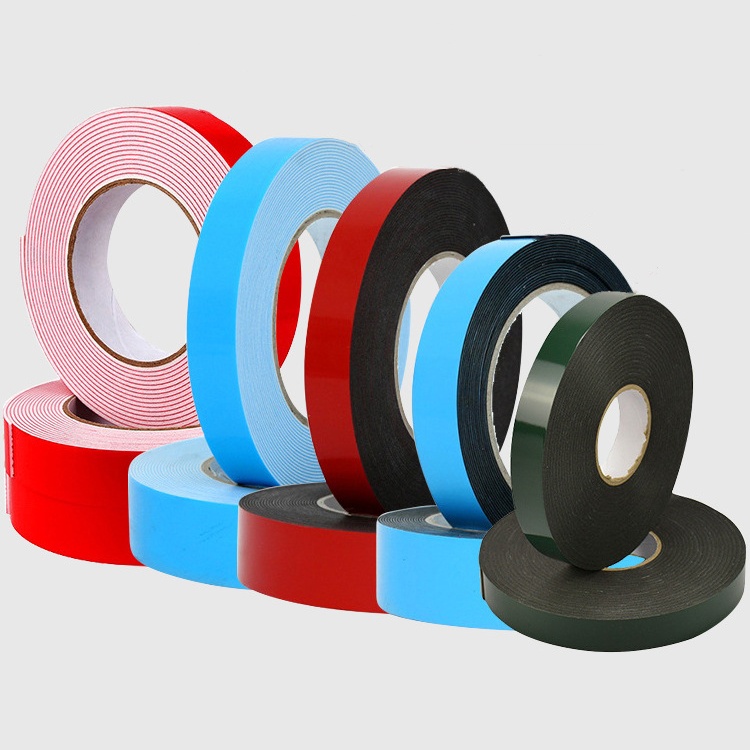
How PE Foam Expansion Ratio Affects the Performance of PE Foam Tapes?
As a supplier of PE foam tapes, we often get asked: why do some tapes feel softer, while others are firmer and more supportive? The answer lies in the expansion ratio (foaming multiple) of the PE foam substrate.PE foam (polyethylene foam) offers excellent cushioning, flexibility, and lightweight properties — all of which directly affect how a foam tape performs in real-world applications. Understanding expansion ratios helps customers choose the right tape for bonding, sealing, cushioning, or mounting.
-
Dongguan Gmark New Material Technology Unveils Premium EVA Foam Tape for Global Markets
Dongguan Gmark New Material Technology, a leading innovator in advanced adhesive solutions, has launched its latest EVA Foam Tape designed to meet the growing demands of international customers.
-
What is EVA Foam Tape? Why is it Becoming So Popular in 2026?
As global demand for high-performance adhesive materials continues to grow, EVA Foam Tape has become one of the most sought-after solutions across various industries.
-
Solid Silicone vs. Foam Silicone: Understanding the Differences and Their Ideal Applications
When choosing the right silicone material for your project, understanding the differences between Solid Silicone and Foam Silicone can make a significant impact on the performance, durability, and cost-effectiveness of your product. While both materials belong to the same family, they are uniquely suited for different applications based on their structure and properties. In this article, we’ll break down the key differences between solid silicone and foam silicone and explore their ideal uses in various industries.
-
Discover the Top 5 Benefits of Acrylic Foam Double-Sided Tape for Automotive and Industrial Use
Your Adhesive Expert – Acrylic Double-Sided Tape. With its long-lasting performance and exceptional durability, it’s a must-have for anyone looking for a high-quality adhesive in demanding applications.
-
Acrylic Foam Tape Thickness and Applications Guide
GMARK acrylic foam tape combines high adhesion, cushioning, sealing, and shock absorption. Choosing the right acrylic foam tape thickness is crucial for performance. Our guide covers ultra-thin to heavy-duty tapes for industrial, electronic, and construction applications.
-
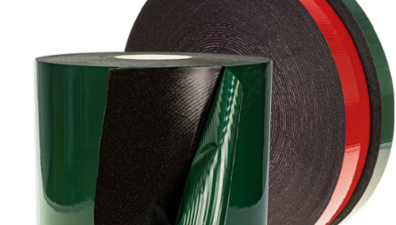
PE Foam Tape: High-Performance Solution Across Multiple Industries
PE foam tape, made from polyethylene (PE) foam coated with high-performance adhesive, provides cushioning, sealing, bonding, and shock absorption. Widely used in electronics, industrial manufacturing, construction, automotive, and medical applications, it offers reliable performance, environmental resistance, and precise adhesion for diverse industrial needs.
-
GMARK PE Foam Tape Achieves IPX8 Waterproof Certification | High-Performance Adhesive Solution for Electronics
GMARK’s PE foam double-sided tape has successfully passed the IPX8 waterproof test, maintaining strong adhesion and sealing under water immersion. Ideal for smartphones, tablets, and wearables, offering reliable bonding and waterproof protection for electronic devices.
-
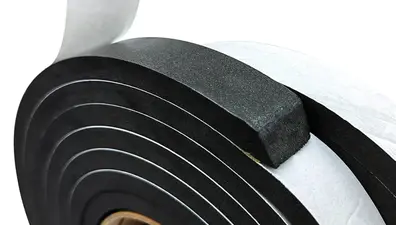
What is the Difference Between EVA and PE Tape
In today’s adhesive materials market, both EVA tape and PE tape are widely used across packaging, construction, automotive, and electronic industries. While the two tapes may appear similar, they are made from different base materials, offering unique properties and applications. Understanding their differences helps businesses and end-users select the right solution for specific needs.
-

Double Side Tape VS Acrylic Foam Tape: Which One Is Better for Modern Applications?
In the adhesive solutions market, both Double Side Tape and Acrylic Foam Tape have become essential tools across industries, from construction and automotive to electronics and daily household use. While both products serve as strong bonding options, their properties and applications reveal distinct advantages that make each suitable for different scenarios.
-
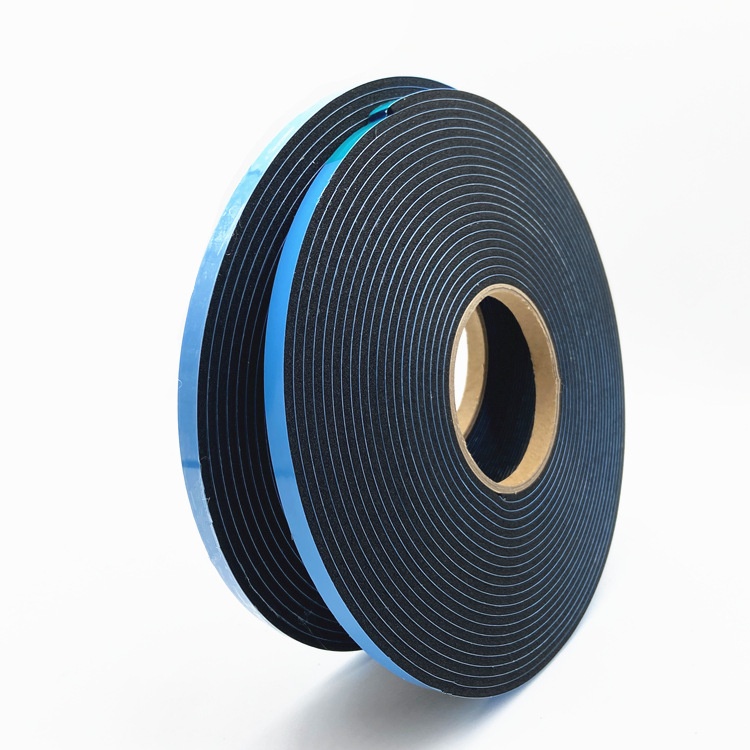
PVC Foam Tape vs Acrylic Foam Tape: Which One Is Right for Your Application?
In today’s fast-paced manufacturing and construction industries, choosing the right adhesive material can make a major difference in product performance and durability. Among the most commonly used options are PVC foam tape and acrylic foam tape - but how do they compare?
-

Gmark New Material Emerges as a Leading EVA Foam Tape Supplier for Global Industries
Gmark New Material is a leading EVA foam tape supplier, offering high-performance, customizable tapes for industries like electronics, automotive, and construction. Known for quality, fast lead times, and eco-friendly materials, Gmark supports global distribution and innovation, helping companies achieve durable, reliable products.
-
EVA Foam Tape vs. PU Foam Tape: Which Performs Better for Outdoor Solar Panel Mounting?
As solar energy continues to power the global shift toward clean energy, the materials used in mounting systems are evolving to meet the demands of harsh outdoor environments. Among them, foam tapes play a critical role in providing cushion, sealing, insulation, and vibration resistance between panels and mounting brackets. Two leading contenders—EVA (Ethylene Vinyl Acetate) foam tape and PU (Polyurethane) foam tape—are often compared for performance in solar panel applications. But which one holds up better under real-world outdoor conditions?
-
Why Are Smartphone Manufacturers Adopting EVA Foam Tape
In the race to make smartphones thinner, lighter, and more durable, manufacturers are turning to a surprising material: EVA foam tape. While rarely seen by consumers, this high-performance material is playing a critical behind-the-scenes role in drop protection and internal cushioning.
-
How Does EVA Foam Tape Solve Vibration Damping in High-Speed Trains
As high-speed trains push the boundaries of modern transportation, engineers face a unique challenge: controlling vibration without compromising performance or safety. One of the unsung heroes behind the scenes is EVA foam tape—a lightweight yet highly effective material that's transforming vibration damping in rail systems.
-
What Is the Strongest double sided tape
When it comes to heavy-duty bonding, many people ask: What is the strongest double-sided tape available? The answer lies in a category known as VHB (Very High Bond) tape, particularly acrylic foam-based tapes, which outperform traditional glues and even rivets in many industrial applications.
-
What Is Double-Sided Body Tape Used For
Double-sided body tape has become an essential tool in both the fashion and entertainment industries. But what exactly is it used for? From red carpet looks to everyday wardrobe fixes, this discreet adhesive tape offers a reliable way to keep clothing in place—and confidence intact.
-
What Is the Trick to Double-Sided Tape
Double-sided tape may seem simple, but getting the most out of it takes more than just peeling and sticking. Whether used in industrial assembly, crafting, or home repairs, the real trick to double-sided tape lies in surface preparation, pressure, and patience.
-

Why Are Automotive Giants Switching to Acrylic Foam Tape for EV Battery Assembly
In the rapidly evolving electric vehicle (EV) landscape, every gram matters. As automakers push for greater range, safety, and manufacturing efficiency, a quiet revolution is underway inside the battery packs of today’s most advanced EVs. The unsung hero? Acrylic foam tape — a lightweight, high-performance adhesive solution now being adopted by automotive giants across the globe.
-
Is Acrylic Foam Tape Recyclable? Breaking Down the Sustainability Myths vs Reality
As sustainability becomes a key concern in modern manufacturing, many are asking: Is acrylic foam tape recyclable? The short answer is – not in the traditional sense. But that doesn’t mean it’s environmentally unfriendly. Let’s break down the myths vs. reality behind this high-performance adhesive technology.
-
How Does Acrylic Foam Tape Outperform Traditional Adhesives in Extreme Temperatures? (-40°C to 150°C Test Data)
In industries where bonding strength and temperature resistance are critical, acrylic foam tape is proving to be a game-changer. Recent lab tests show that acrylic foam tape not only maintains adhesion in extreme temperatures ranging from -40°C to 150°C, but also outperforms traditional liquid adhesives and mechanical fasteners in both performance and longevity.
-
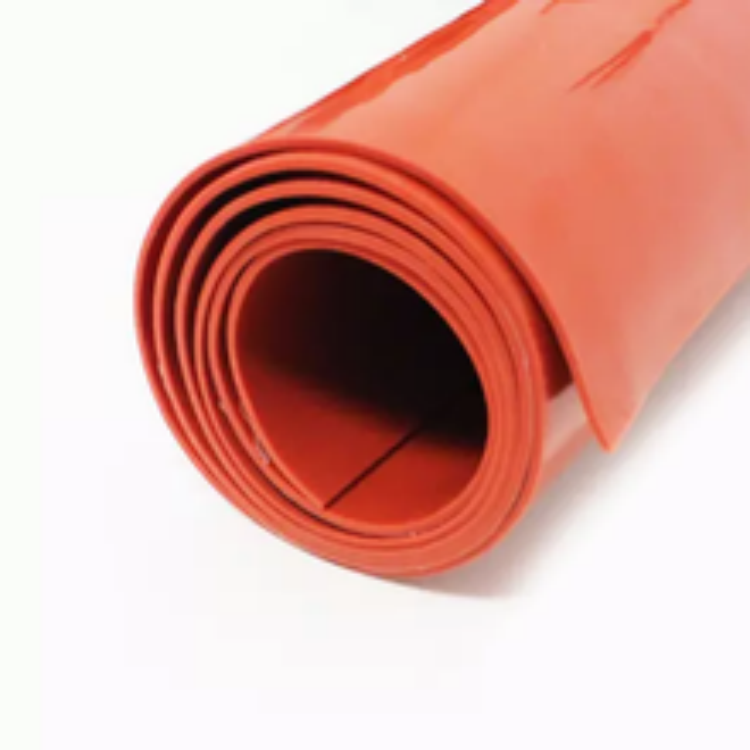
Gmark New Material Launches Custom Size Silicone Sponge Foam Rubber Seal Strip for Precision Sealing Applications
Gmark New Material, a trusted name in advanced polymer solutions, has announced the release of its latest innovation: the Custom Size Silicone Sponge Foam Rubber Seal Strip. Designed for high-performance sealing across a range of industries, this product combines durability, flexibility, and customization to meet today’s most demanding engineering needs.
-

Acrylic Foam Tape: The powerful sticky revolution in multi -field applications
With the continuous progress of science and technology, the demand for high -performance materials in various industries is also rising. Acrylic Foam Tape (acrylic bubble tape), as an emerging and high -efficiency bonding material, has gradually become a must -have material for multiple industries with its excellent adhesion performance, temperature resistance and weather resistance.
-
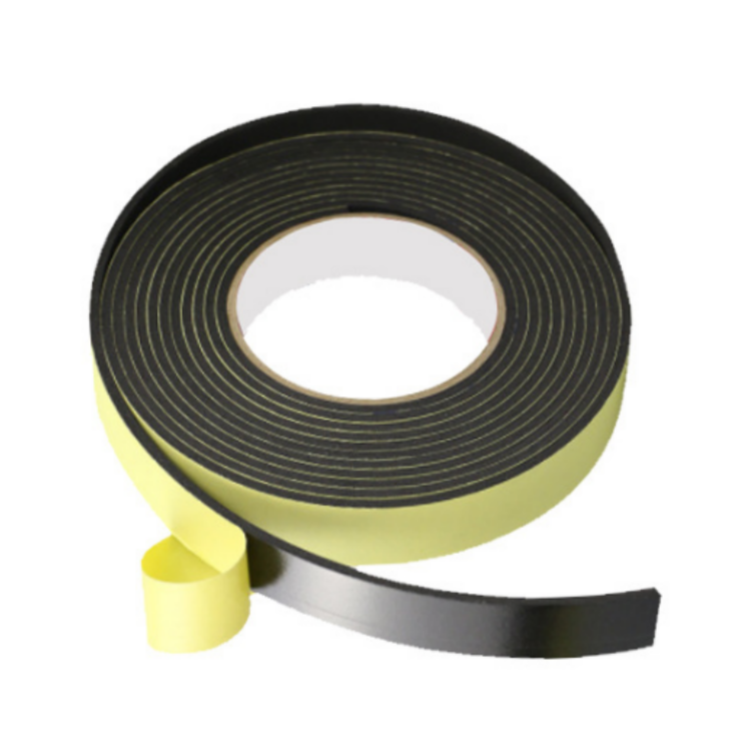
Foam Tape's multiple use: an innovative solution
With the increasing demand for high -efficiency, convenience and multifunctional materials in modern industry and daily life, Foam Tape, as an innovative solution, is gradually entering the public vision. With its excellent sealing, shock absorption, and durability, it is widely used in many fields, which not only brings higher production efficiency to all walks of life, but also provides consumers with a more convenient experience experience.
-
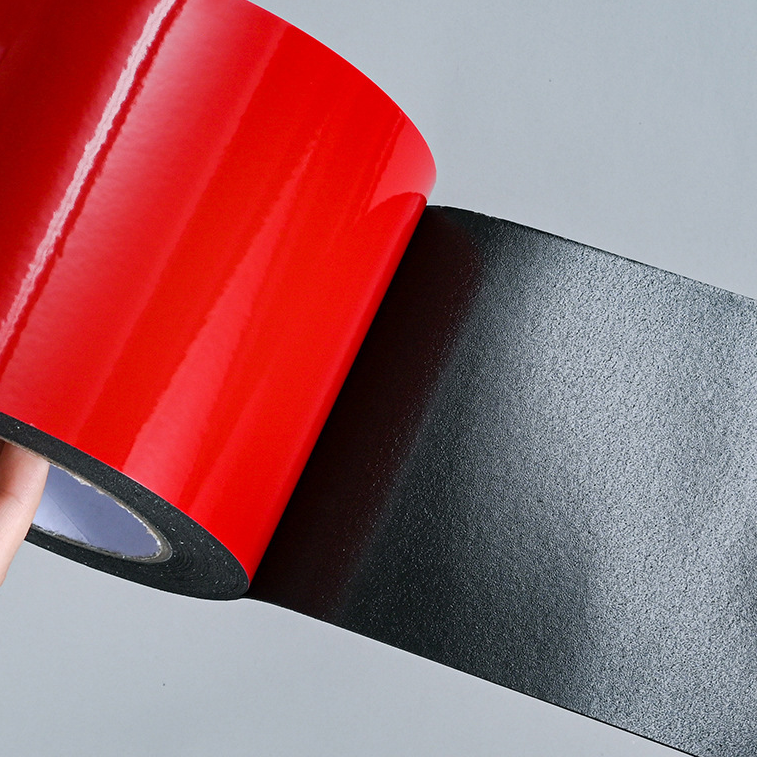
Do You Really Understand Foam Tape?
Foam tape is a tape with sealing and shock-absorbing functions. It is made of EVA, PVC or PE foam as the base material, with solvent-based (or hot-melt) pressure-sensitive adhesive coated on one or both sides and then covered with release paper. It has excellent sealing, compression deformation resistance, flame retardancy, wettability, etc.
-
What are Tack, Adhesion, Cohesion, and Keying of Adhesive Tapes?
The practical adhesive properties of tack, adhesion, cohesion, and keying in pressure-sensitive adhesive products and their relationship are their most important and basic properties. When researching and manufacturing pressure-sensitive adhesives and various products, the requirements of these basic properties must be considered and met firs
-
Research and Analysis on the Market Size and Future Development Trend of China's Double-Sided PE Foam Tape Industry
The market size of China's double-sided PE foam tape industry has maintained steady growth in recent years. In recent years, the market size of the double-sided PE foam tape industry has been showing a good development trend. From 2018 to 2019, its market size increased from 30.98 billion yuan to 34.18 billion yuan, an increase of 10.3%, and from 2020 to 2021, the market size increased from 34.18 billion yuan to 38.99 billion yuan, an increase of 14%. It is expected that the market size of the double-sided PE foam tape industry will continue to maintain a growth trend in 2024, reaching 44.53 billion yuan.
-
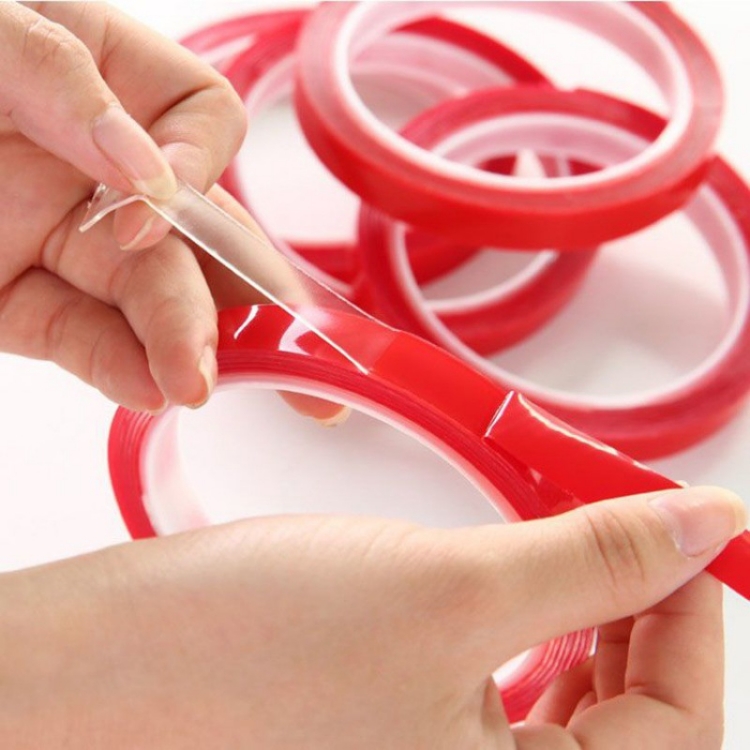
The Role And Application Field Of Acrylic Double-Sided Tapes Often Used In Daily Life
In our daily life, adhesive products are often used for packaging and sticking things, and double-sided tape is a kind of adhesive product often used in daily life. The more common double-sided tapes in daily life include EVA foam double-sided tape, PET foam double-sided tape, acrylic double-sided tape, etc. There are many types. Next, the editor of GMARK tape manufacturer will share with you the role and use of acrylic double-sided tape.
-
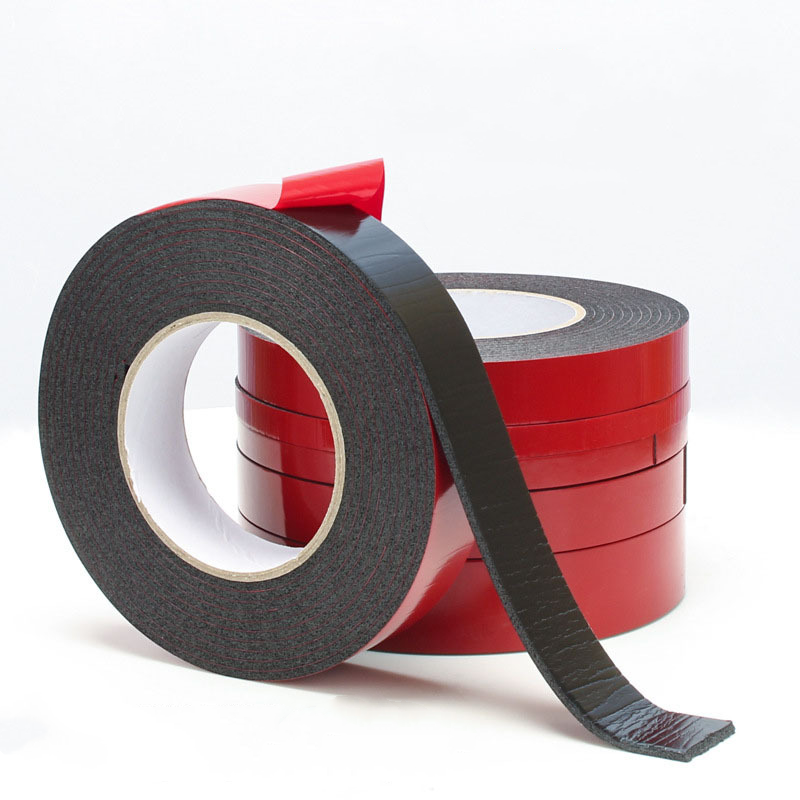
Learn About The Advantages And Operation Requirements Of Foam Tape In One Article
Foam tape has excellent sealing performance during use, which can effectively prevent its gas release and atomization to a certain extent. GMARK tape has excellent resistance to compression deformation, so the elasticity of the product is durable, which can effectively ensure that its accessories are protected from shock for a long time.
-
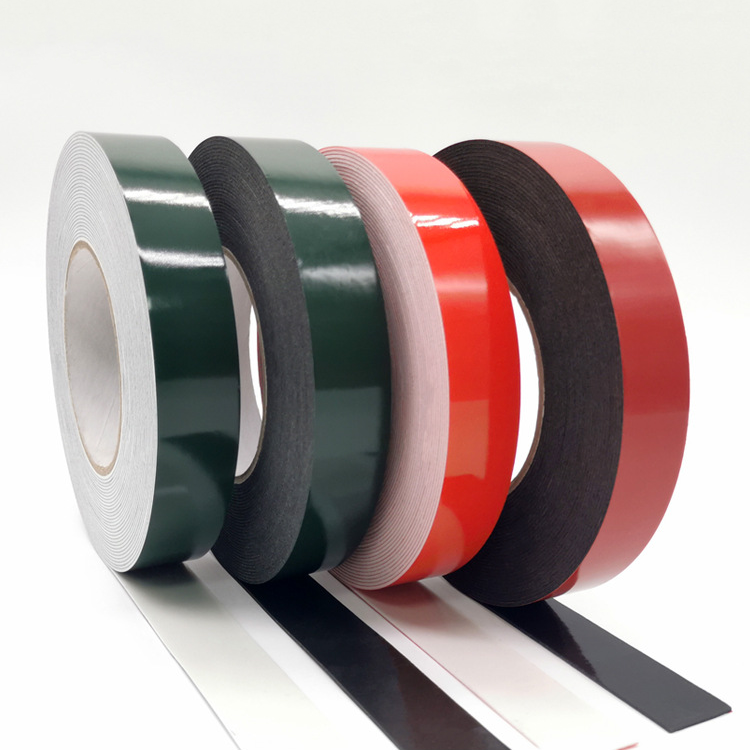
About The Characteristics And Applications Of PE Foam Tape And EVA Foam Tape
About foam tape, many people may not know much about this tape. In fact, the usage rate of foam tape is still relatively high, and it can be involved in basically all walks of life. Next, the editor of GMARK tape manufacturer will share with you some general information about foam tape, hoping to help you understand foam tape.
-
Heavy Duty Gray Mounting Adhesive Tape Leads New Market Trend
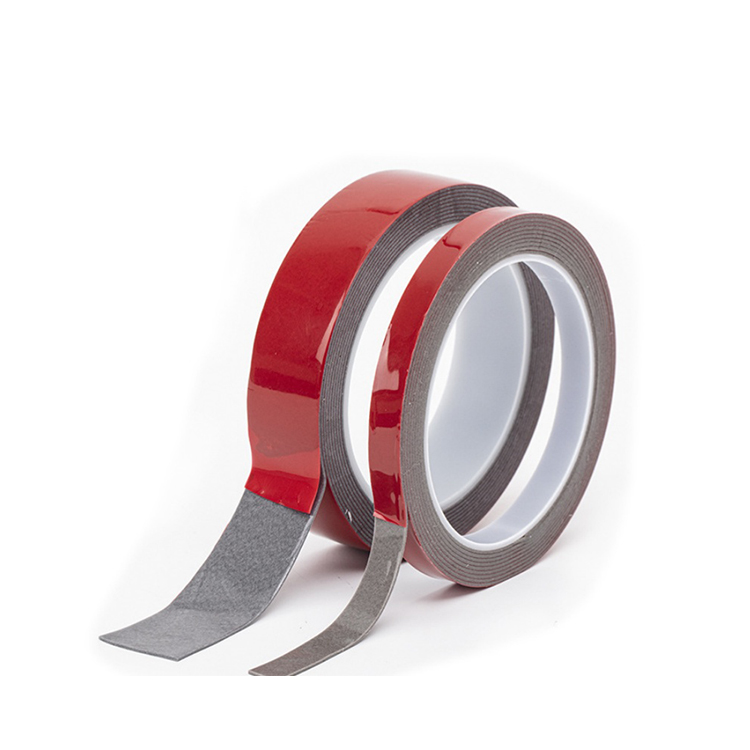
Recently, a revolutionary Heavy Duty Gray Mounting Adhesive Tape was launched on the market. Its excellent waterproof performance and strong high adhesion make it stand out from many products. This double-sided acrylic foam tape has quickly attracted widespread attention in the industry with its unique gray appearance and excellent performance.
-
PVC Foam Tape VS EVA Foam Tape
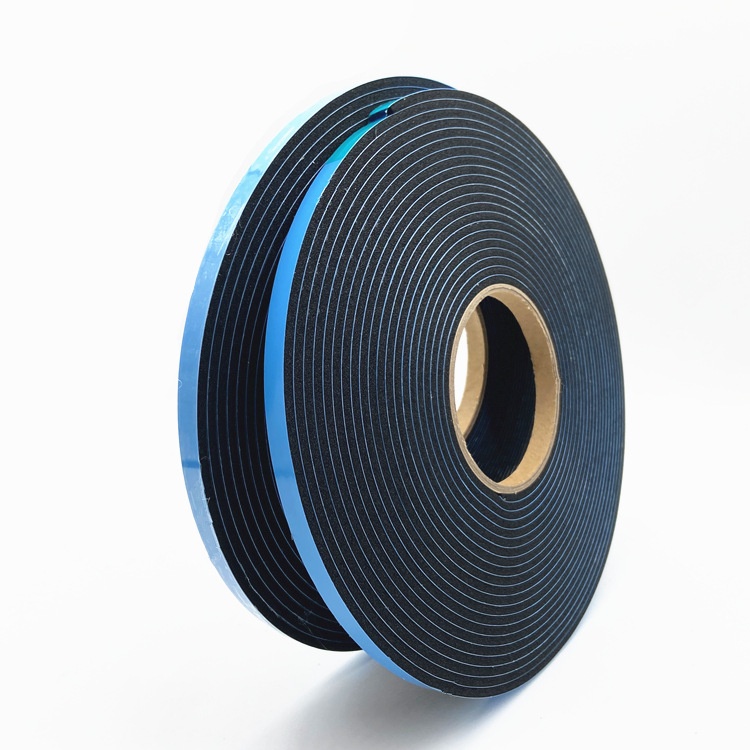
PVC foam tape and EVA foam tape are widely used in industrial and daily applications, but they have significant differences in material properties, application scenarios and performance. The following is a detailed comparison of the two foam tapes.
-
What is foam tape used for? Exploring its versatile applications
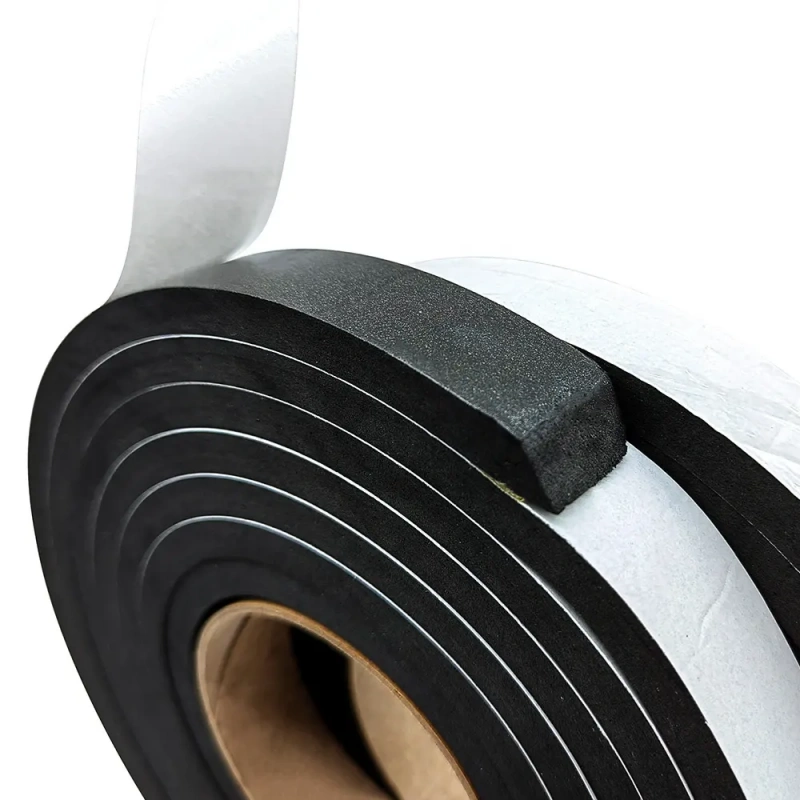
Foam tape, a seemingly humble yet incredibly versatile adhesive product, is gaining prominence across various industries for its wide range of applications. From construction to crafts, this innovative material is proving indispensable in both everyday tasks and specialized projects.
-
What is EVA Foam Tape: A Versatile Material for Various Applications
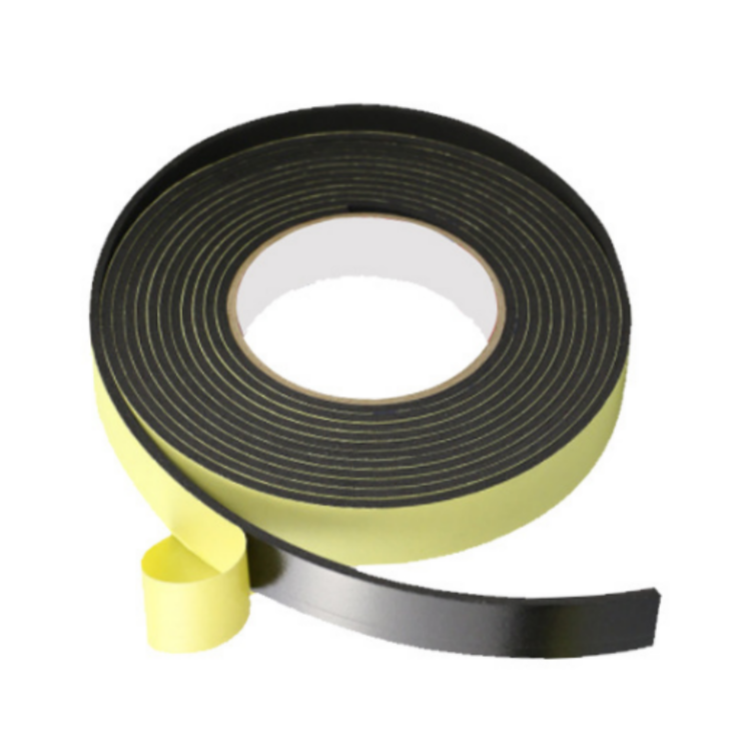
EVA foam tape, an increasingly popular material in various industries, is known for its versatility and durability. But what exactly is EVA foam tape, and what makes it so widely used?
-
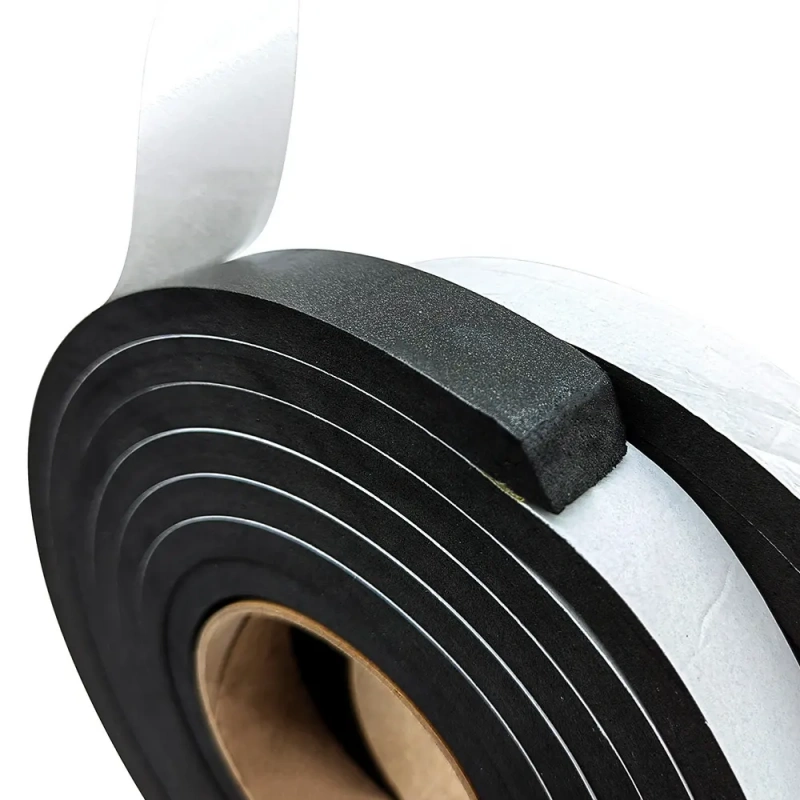
Advantages of EVA foam tape: Multifunctional applications help the development of various industries
With the increasing demand for high-performance adhesive materials in the industrial and consumer markets, EVA (ethylene-vinyl acetate) foam tape has become a highly regarded product due to its excellent performance and wide application prospects. This article will explore the main advantages of EVA foam tape and its application in various industries.
-
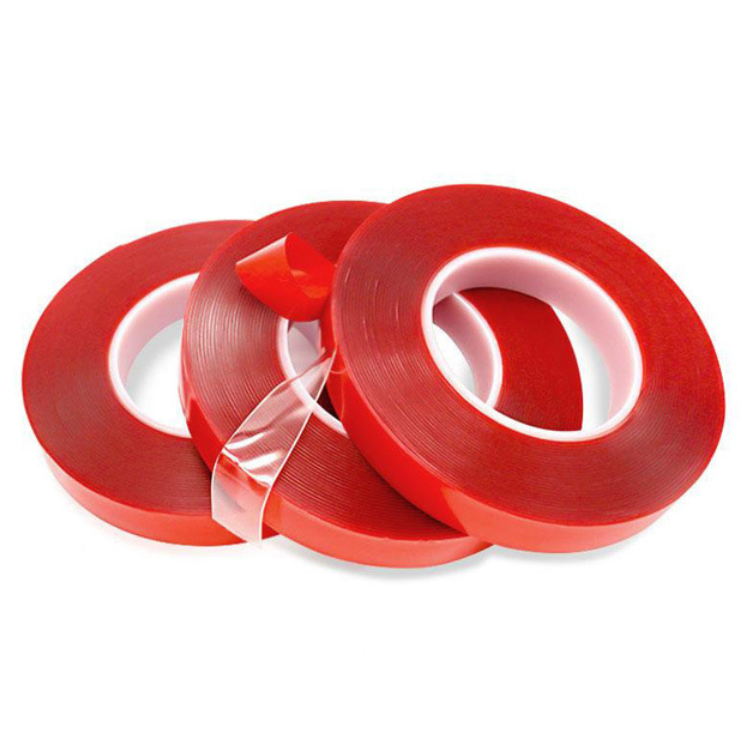
What is 3M Foam Tape Used For?
In the realm of adhesive solutions, 3M foam tape stands out as a versatile and essential tool for various applications across industries. Known for its strength, durability, and flexibility, 3M foam tape serves a multitude of purposes, making it a go-to choice for professionals and DIY enthusiasts alike.
-
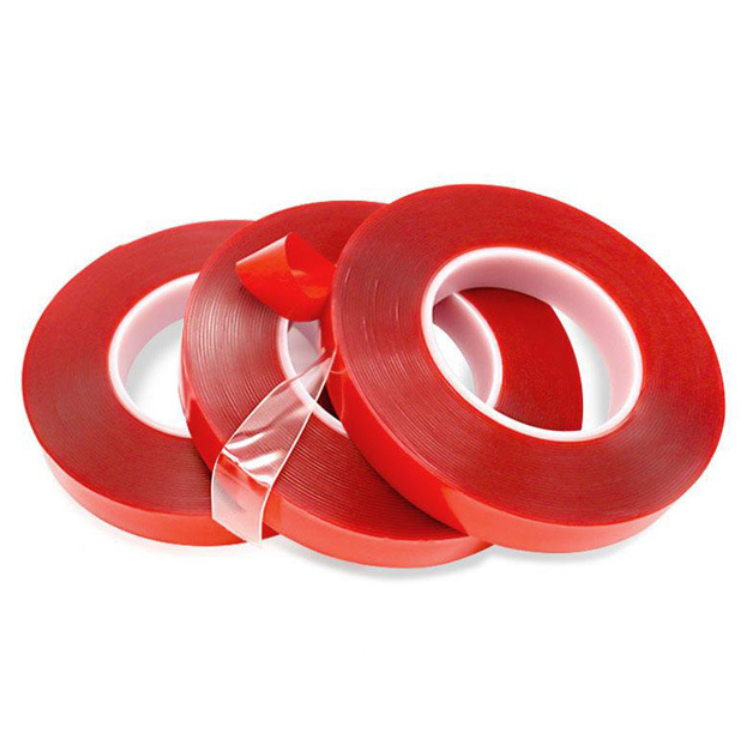
Gmark New Material leads the acrylic foam tape market: dual drive of innovation and quality
In recent years, with the rapid development of the industrial and consumer electronics markets, the demand for acrylic foam tapes has also continued to grow. As a leading brand in the industry, Gmark New Material is leading the market trend in this field with its outstanding innovation capabilities and high-quality products.
-
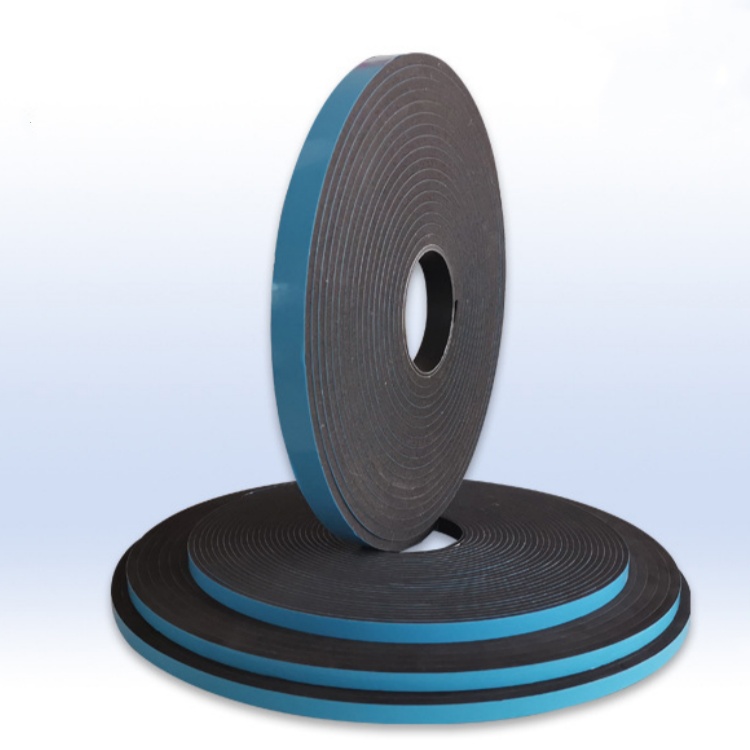
Exploring PVC Foam Tape: A Multifunctional Adhesive Tool
PVC foam tape is a multifunctional adhesive material that has been widely used in various fields in recent years. But what exactly is PVC foam tape? Let us explore the characteristics and applications of this material.
-
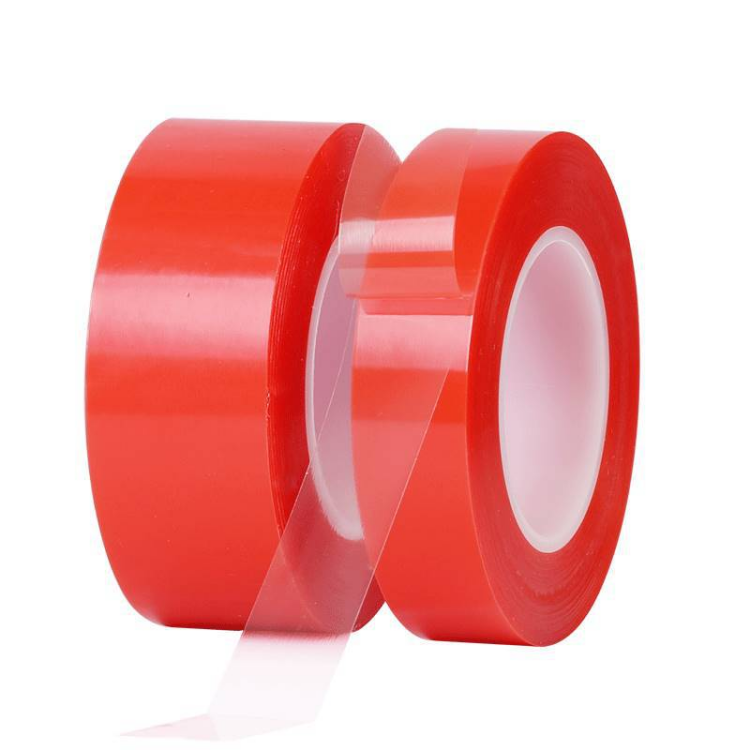
What is Double-Sided Tape Called? Unveiling the Secret Behind this Household Essential
Double-sided tape, a ubiquitous item found in households, offices, and industries alike, serves as a versatile adhesive solution for a myriad of purposes. But have you ever wondered what this indispensable tool is formally called?
-

Gmark New Material launches innovative acrylic foam tape, leading new industry trends
Gmark New Material, as a leading company committed to innovation, today announced the launch of a new acrylic foam tape, injecting fresh vitality into the market. This foam tape not only has excellent bonding performance and weather resistance, but also has higher adaptability and convenience, which will bring customers a new use experience.
-
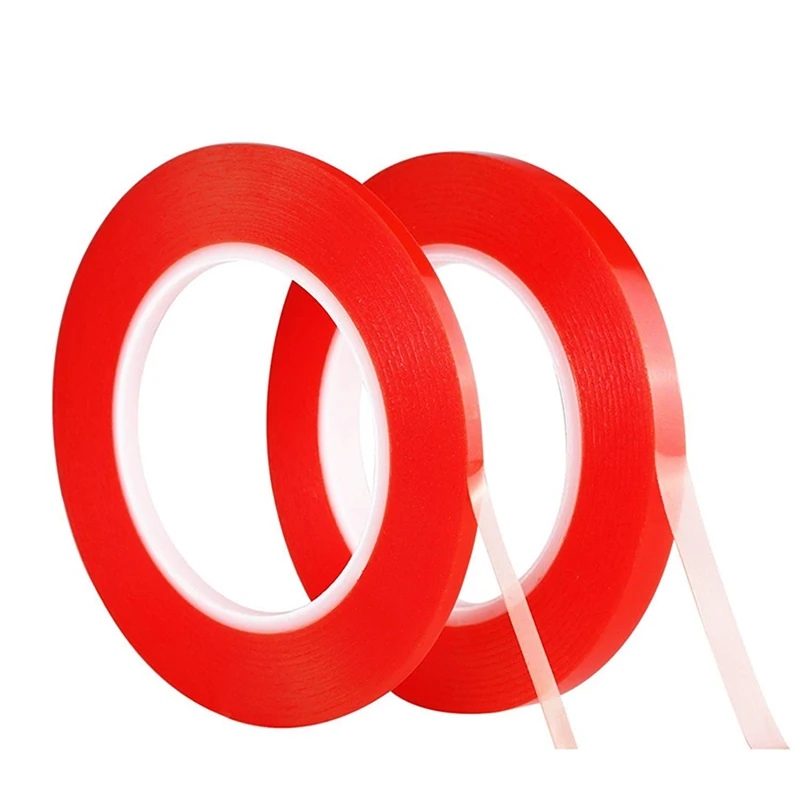
How is Double-Sided Tape Used? Unveiling the Versatile Adhesive's Multitude of Applications
In the world of adhesives, double-sided tape stands out as a versatile and indispensable tool used across various industries and households alike. From mounting pictures on walls to ensuring carpets stay in place, the uses of double-sided tape are as diverse as they are numerous.
-
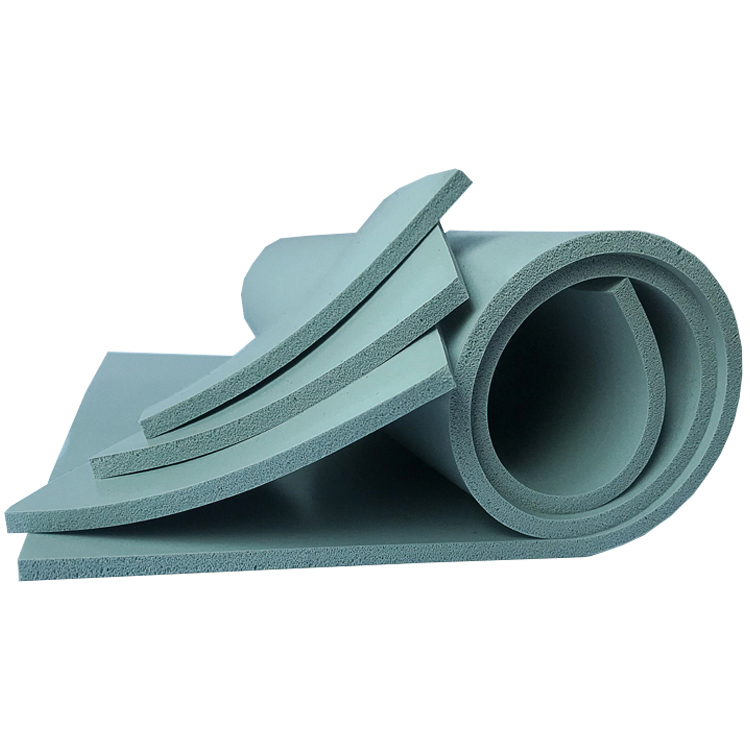
Do You Know These Characteristics About Silicone Foam?
Silicone foam is a medium density, silicone rubber closed foam product. The temperature range of the foamed silicone foam material is -60°C-200°C, which can be used for a long time and maintain its soft and elastic properties. It is environmentally friendly, non-toxic, and has excellent electrical properties.
-
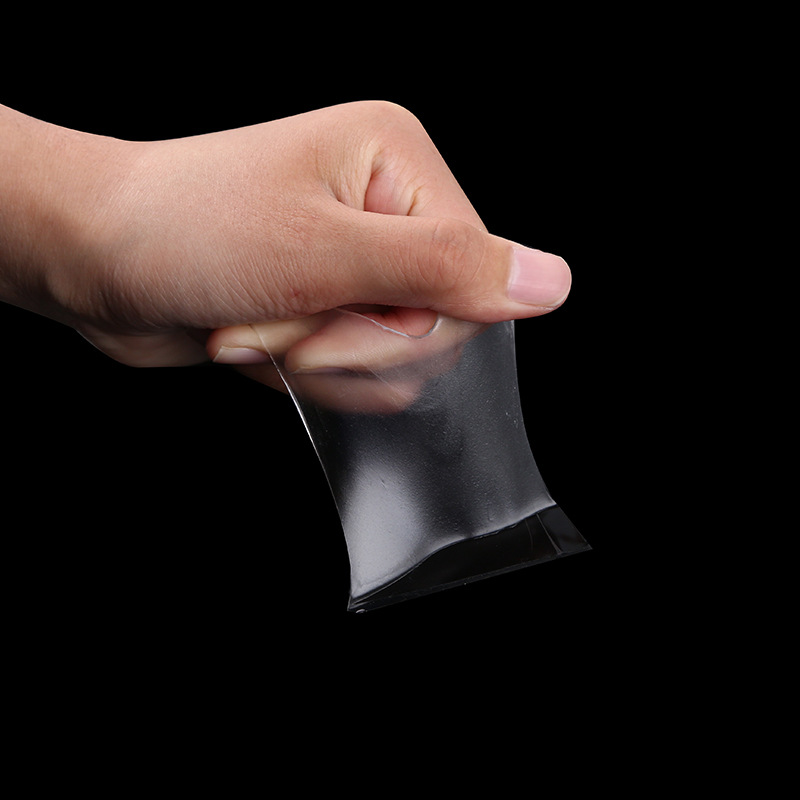
Glue Removal Tips For Transparent Tape
Whether it is in our life or in industrial production, transparent tape is often used. After the transparent tape is used, it is easy to leave residual glue on the surface of the object. If it is not cleaned in time, a black lake area will be formed, which is very ugly. Let's take a look at the tips for removing glue from transparent tape.


